
Plug-in solar panels have finally been legalised in the UK. After years of a regulatory grey area that left early adopters unsure whether their systems were technically compliant, BS 7671 Amendment 4 came into force on 15 April 2026, bringing the UK into line with countries like Germany, where more than 1.1 million plug-in solar installations were already registered by mid-2025. For renters, flat owners, and anyone who can’t install a conventional roof solar system, this is significant news.
These small, portable solar systems, sometimes called balcony solar, plug-and-play solar, or micro-inverter systems, generate electricity that feeds directly into your home’s circuits via a standard socket or dedicated outlet. No scaffolding. No planning permission. No structural modifications. Costs start at under £200 for a basic 400W kit. They won’t eliminate your electricity bill, but they can meaningfully reduce it, and they go with you when you move.
This guide covers everything UK buyers need to know in 2026: what the new rules actually say, how the systems work, who they’re suitable for, what to realistically expect from them, and when a proper roof installation still makes more financial sense.
Key Takeaways
- BS 7671 Amendment 4 (15 April 2026) legalised plug-in solar systems in the UK for the first time under a clear regulatory framework.
- Systems are capped at 800W and must be notified to your DNO under G98 regulations.
- Basic kits (400W, no battery) cost £100–£400. Systems with battery storage cost £300–£1,200.
- DIY installation becomes fully compliant once the BSI product standard publishes (expected July 2026). Until then, a CPS-registered electrician should connect the system.
- SEG export payments are not available for most plug-in systems as they cannot achieve MCS certification.
- Renters can request plug-in solar installation under the Renters’ Rights Act 2025, landlords cannot unreasonably refuse.
- Plug-in solar works best for flats, rented properties, caravans, and anyone who can’t access their roof. For most homeowners with a suitable roof, a proper MCS-certified installation delivers far better returns.
What Are Plug-In Solar Panels?
Plug-in solar panels are small photovoltaic systems designed to generate electricity and feed it directly into your home’s existing electrical circuit. Unlike conventional rooftop solar, which requires professional installation, structural fixings, and connection to your consumer unit by a qualified electrician, plug-in systems use a micro-inverter to convert the DC electricity from the panels into AC electricity compatible with your home’s wiring, then deliver it via a socket or hardwired outlet.
The most common configuration is one or two 400W solar panels connected to a micro-inverter, producing up to 800W at peak output. You mount the panels on a balcony rail, prop them against a south-facing wall, or fix them to a garden frame. The electricity generated flows into your home and is used automatically by whatever appliances are running at the time, reducing how much you draw from the grid. Any surplus that your home can’t absorb flows back to the grid, though without MCS certification you generally won’t be paid for it under the Smart Export Guarantee.
The technology itself isn’t new. Germany has had a clear legal framework for balcony solar (Balkonkraftwerke) since 2023, and by early 2026 over 1.1 million households had registered installations. What’s new in the UK is the regulatory clarity that allows these systems to be sold and installed legally without an individual needing to navigate grey areas in the wiring regulations.
The New UK Legal Framework: What BS 7671 Amendment 4 Actually Says
The key change is the introduction of Chapter 708 in BS 7671 (the IET Wiring Regulations), which covers small plug-in generator systems connected to a domestic supply. This chapter establishes the conditions under which plug-in solar can legally operate in a UK home.
The headline rules are: systems must not exceed 800W peak output; the system must notify the local Distribution Network Operator (DNO) under G98 regulations; and the connection must meet the requirements of the new chapter. Until the BSI product safety standard for plug-in solar devices publishes (expected around July 2026), the safest route is to have connection carried out by a CPS (Competent Person Scheme) registered electrician. Once the product standard is published, fully DIY installation of approved kits will be technically compliant.
One important nuance: BS 7671 Section 712, which governs photovoltaic systems more broadly, still requires that PV systems be hardwired on a dedicated circuit in most cases. Chapter 708 carves out an exception specifically for these small plug-in devices under the defined conditions. This means ordinary extension leads and standard sockets are still not the right approach for long-term installation, and any system should use the connection method specified by the manufacturer and the new regulations.
The G98 notification requirement sounds more complex than it is. Your DNO (the company that manages electricity distribution in your area, Western Power, Northern Powergrid, etc.) simply needs to be informed that you have a small generation system. For systems under 3.68kW, this is a notification, not an approval process, and most DNOs have online forms.
How Much Do Plug-In Solar Panels Cost?
Costs vary considerably depending on panel wattage, whether you include battery storage, and whether you want professional connection or a DIY setup after the product standard publishes.
| System Type | Output | Typical Cost | Best For |
|---|---|---|---|
| Basic plug-in kit (no battery) | 400W | £100–£250 | Balcony, windowsill, garden wall |
| Two-panel kit (no battery) | 800W | £250–£450 | South-facing balcony or garden |
| Kit with battery storage | 400–800W | £400–£900 | Storing daytime generation for evening use |
| Professionally installed system | 400–800W | £800–£1,500 | Fully compliant, hardwired connection |
A 400W panel in the south of England generates roughly 320–380kWh per year. At 24p/kWh, that’s around £75–£90 in electricity saved annually. An 800W two-panel system doubles this to approximately £150–£180. At those savings rates, payback on a basic kit runs 2–3 years, which is genuinely good for a solar product, though the absolute saving is much smaller than a full rooftop installation.
Who Are Plug-In Solar Panels For?
The honest answer is that plug-in solar is a niche solution for specific circumstances. It makes strong sense for renters, flat owners, and people in situations where conventional roof solar is unavailable to them. It makes less sense for homeowners with suitable roofs, where a proper MCS-certified installation typically delivers far better financial returns.
Plug-in solar suits you if you’re renting and your landlord agrees (or under the Renters’ Rights Act 2025 cannot unreasonably refuse), you live in a flat with a south-facing balcony, you’re in a listed building or conservation area where roof solar would require planning permission, you want a temporary or portable solution (e.g. for a caravan or motorhome base), or you simply want to get started with solar while exploring a full installation. For any of these situations, a plug-in system is a genuinely useful tool. It won’t transform your energy bills, but it will reduce them measurably with minimal disruption.
For homeowners with a south or south-west facing roof in reasonable condition, a full 3–5kWp rooftop installation with MCS certification and Smart Export Guarantee eligibility will typically generate 10–20 times the electricity of a plug-in kit, with correspondingly better financial returns and property value uplift. The two products serve different markets.
Plug-In Solar vs Roof Solar: Which Is Right for You?
| Factor | Plug-In Solar | Roof Solar (MCS) |
|---|---|---|
| Typical cost | £150–£1,500 | £5,000–£11,000 |
| Annual generation | 350–750 kWh | 2,500–5,000 kWh |
| Annual savings | £80–£180 | £600–£1,100 |
| SEG export payments | Not available | Yes (8–15p/kWh) |
| Planning permission | Not required | Usually not (PD rights) |
| MCS certified | No | Yes |
| Installation complexity | DIY (from July 2026) | Professional installer |
| Property value uplift | None | 1–4% |
| Takes with you when moving | Yes | No |
| Payback period | 2–4 years | 7–12 years |
SEG Eligibility and Plug-In Solar
The Smart Export Guarantee requires that your installation is certified under the Microgeneration Certification Scheme (MCS). MCS certification applies to both the installer and the equipment. Because plug-in solar systems are by definition self-installed (or installed outside the MCS framework), they currently cannot achieve MCS certification and therefore do not qualify for SEG payments from most energy suppliers.
This is a meaningful financial difference. A proper 4kWp rooftop system with SEG at 12p/kWh can earn £200–£350 per year in export payments on top of bill savings. A plug-in system earns nothing for electricity it exports to the grid, since without a smart meter reading and MCS certification, there’s no mechanism to claim it.
Some suppliers may in future create tariffs specifically for small plug-in generators, as has happened in Germany. But for now, if earning SEG export payments matters to your financial calculation, a full MCS-certified rooftop installation is the route to take.
Renter Rights and Landlord Obligations
The Renters’ Rights Act 2025 introduced a “right to request” for tenants seeking to make energy improvements to rented properties. While the Act does not give tenants an absolute right to install solar, it does mean landlords cannot unreasonably refuse a reasonable request. For a plug-in solar system that requires no structural modification, drilling, or roof access, the threshold for “reasonable” is low.
In practice, a tenant asking to mount a 400W panel on a south-facing balcony rail using the manufacturer’s proprietary brackets, with a system that complies with BS 7671 Chapter 708, has a strong case that a landlord cannot refuse without demonstrating a specific reason. Tenants should put requests in writing and reference the Act. If a landlord refuses, Citizens Advice and the Private Rented Sector Ombudsman are the appropriate escalation routes.
Case Study: London Flat Owner, East-Facing Balcony
Background
A leaseholder in a purpose-built flat in South East London had investigated rooftop solar but found the lease did not permit modifications to common areas including the roof. The building management company refused consent. With an east-facing balcony receiving morning sun from 7am to 1pm, the flat owner investigated plug-in solar as an alternative.
Project Overview
In April 2026, following the BS 7671 Amendment 4 update, the leaseholder purchased an 800W two-panel kit from a UK supplier for £380. A CPS-registered electrician connected the system and completed the G98 DNO notification for a one-off fee of £180. Total cost: £560.
Implementation
The panels were mounted on the balcony rail using the supplier’s proprietary clamps. No drilling into the building structure was required. The system was monitored via a companion app showing real-time generation. Due to the east-facing orientation, peak output was in the morning hours, which coincided well with the occupant working from home and running appliances during the day.
Results
In the first three months (April–June), the system generated 180kWh, saving approximately £43 at 24p/kWh. Annualised, the flat owner expects savings of £130–£160 per year. Payback period at that rate is 3.5–4.3 years. Not transformative, but meaningful for a property where conventional solar was simply not possible. The leaseholder is now also exploring whether the building’s new EPC assessment (triggered by the solar installation) might open other energy grant eligibility.
Expert Insights From Our Solar Panel Installers About Plug-In Solar
“For most homeowners with a decent south-facing roof, plug-in solar makes no sense financially compared to a proper system. But for renters, flat owners, and anyone in a listed building, it’s now a genuinely useful option. The key thing people need to understand is the SEG gap. You’re not earning export payments, so every watt you generate but don’t immediately use goes to the grid for free. That means using appliances during the day, dishwasher, washing machine, charge your phone, not in the evening. If you time-shift your consumption, the savings are real. If you run everything in the evening like most people do, plug-in solar delivers much less value than the marketing suggests,” says one of our senior solar panel installers with over 12 years of UK residential experience.
Frequently Asked Questions
Are plug-in solar panels legal in the UK?
Yes, as of 15 April 2026 when BS 7671 Amendment 4 came into force. Chapter 708 of the IET Wiring Regulations now provides a clear legal framework for small plug-in solar systems up to 800W. Until the BSI product safety standard publishes (expected July 2026), connection by a CPS-registered electrician is the fully compliant route. After July 2026, approved DIY kits can be self-installed.
How much electricity does a plug-in solar panel generate?
A single 400W panel in the UK generates roughly 320–380kWh per year on a south-facing surface. An 800W two-panel system (the legal maximum) generates 640–760kWh annually. At 24p/kWh, that represents £75–£180 in electricity savings depending on system size and location. East or west-facing installations generate 15–20% less.
Do I need planning permission for plug-in solar panels?
No. Plug-in solar panels do not require planning permission. They are treated as temporary or moveable installations, not fixed structures. You do need to notify your DNO (Distribution Network Operator) under G98 regulations, which is a simple online notification process, not an approval application.
Can I get SEG payments for a plug-in solar system?
Not currently. The Smart Export Guarantee requires MCS certification, which plug-in systems cannot achieve. Any electricity your plug-in system exports to the grid beyond what your home can use in real-time will flow to the grid without payment. To earn SEG income, you need a full MCS-certified rooftop installation by an approved installer.
Can my landlord refuse to let me install plug-in solar?
Under the Renters’ Rights Act 2025, landlords cannot unreasonably refuse a tenant’s request to make energy improvements. A plug-in solar system that requires no structural modification has a strong case for being considered “reasonable.” Put your request in writing, describe the system’s compliance with BS 7671, and reference the Act. If refused, Citizens Advice can advise on next steps.
What is the maximum size plug-in solar system allowed in the UK?
The 2026 UK regulations cap plug-in solar systems at 800W peak output. This typically means one or two standard 400W solar panels. Systems above this threshold require a different regulatory approach and professional installation, effectively putting them in the same category as conventional rooftop solar.
How long do plug-in solar panels last?
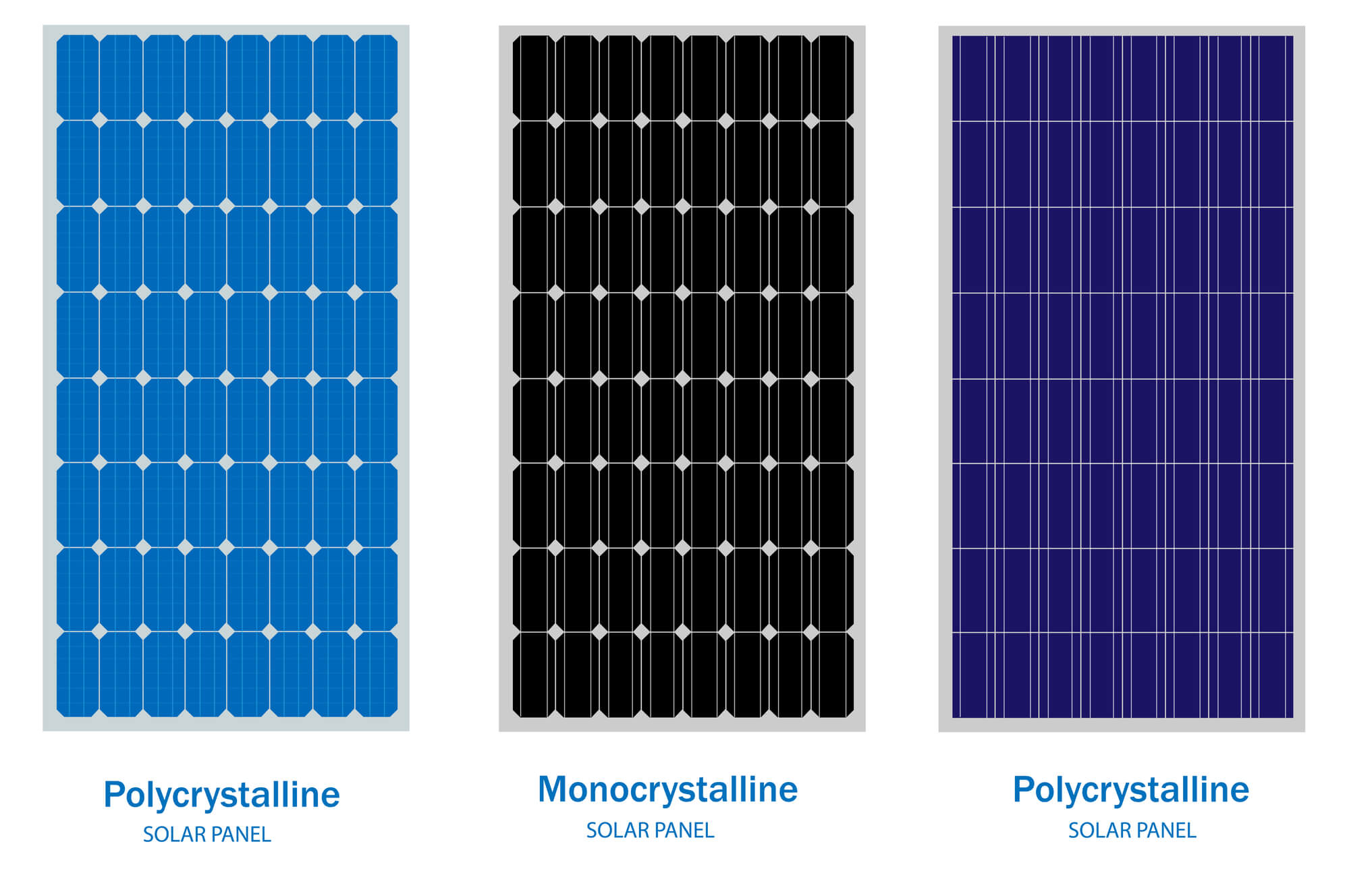
Solar panels in plug-in systems use the same monocrystalline or polycrystalline silicon cells as conventional panels. Panel lifespan is typically 20–25 years with gradual output degradation of around 0.5% per year. Micro-inverters generally last 10–15 years. The most likely failure point in any portable system is the mounting hardware or connectors, which should be inspected annually.
Is a full rooftop solar installation better than plug-in solar?
For homeowners with a suitable roof, yes, significantly so. A 4kWp rooftop system generates roughly 3,400kWh per year (compared to 700kWh from an 800W plug-in system), earns SEG export payments, adds 1–4% to property value, and typically pays back in 8–11 years with returns of 150–200% over 25 years. Plug-in solar is a practical alternative only where rooftop installation is not possible.
Summing Up
Plug-in solar panels are now legally clear in the UK following the April 2026 BS 7671 update, and for renters, flat owners, and anyone unable to install conventional roof solar, they offer a genuine entry point into solar generation with low cost and no structural commitment. Expect savings of £80–£180 per year from an 800W system, a payback of 2–4 years, and the flexibility to take the system with you when you move. The main limitations are the 800W cap, no SEG eligibility, and the need for careful consumption timing to maximise value. If you own your home and have a suitable roof, a full MCS-certified installation remains substantially more rewarding. Contact us for a free quote on a professionally installed system that qualifies for SEG and delivers the full financial return.
Updated