

Solar panels for motorhomes and camper vans are no longer a luxury add-on. For anyone who regularly stays overnight at campsites without hook-up, parks in laybys, or spends time on remote roads in the UK and Europe, a properly sized solar system means hot water from a diesel heater, a working fridge, phone charging, and interior lighting, without running the engine or relying on a noisy generator. Done right, a motorhome solar setup pays for itself in hook-up fees avoided within a couple of seasons.
This guide covers everything you need to know to design, size, and fit a solar system to a motorhome or van conversion in the UK: how much power you actually need, which type of panels and batteries to choose, how MPPT charge controllers handle the UK’s grey skies better than cheaper alternatives, and how to keep your batteries healthy through a British winter.
Key Takeaways
- A 200W panel with a 100Ah LiFePO4 battery covers most weekend van travellers’ needs in summer
- Full-time motorhome living typically requires 400-600W of panels and 200Ah+ of LiFePO4 storage
- MPPT charge controllers recover 25-30% more energy than PWM on overcast UK days: worth the £50 extra
- LiFePO4 batteries last 6,000+ charge cycles versus 300-500 for AGM: the cost difference pays off within 5 years
- A DC-DC (B2B) charger allows the alternator to top up the leisure battery while driving, critical for UK winters when solar alone isn’t enough
- The most common mistake is undersizing the system: always add 30-50% to your calculated solar requirement
- UK planning rules don’t apply to motorhome solar: panels can be installed without any consent required
How Much Power Does a Motorhome Actually Use?
Before sizing a solar system, you need to know your daily energy consumption. Most people underestimate this. The table below shows typical appliance loads in a motorhome or camper van:
| Appliance | Draw (W) | Daily Hours | Daily Energy (Wh) |
|---|---|---|---|
| 12V compressor fridge (50L) | 35-45W average | 24 | 840-1,080 |
| Diesel heating (Webasto/Eberspächer) | 10-25W average | 8-10 | 80-250 |
| LED interior lighting (4 strips) | 15W total | 5 | 75 |
| Smartphone charging (2 phones) | 25W total | 3 | 75 |
| Laptop or tablet | 45W | 3 | 135 |
| Water pump (electric) | 50W | 0.5 | 25 |
| 12V TV (22″) | 30W | 3 | 90 |
| USB chargers and accessories | 20W combined | 4 | 80 |
A motorhome with a fridge, diesel heater, lighting, and phone/laptop charging typically consumes 500-800Wh per day in summer. In winter, heating loads increase and the diesel heater’s fan draw goes up, pushing daily consumption to 900-1,200Wh.
The critical rule: never discharge a battery below 20% capacity (50% for AGM). Your usable battery capacity is always less than the nameplate figure, and your solar system must replace what you use before nightfall.
System Size: Matching Panels to Your Lifestyle
There’s no one-size-fits-all answer to how much solar a motorhome needs. The right system depends on how you use it, when you use it, and where you park.
| Usage Pattern | Daily Consumption | Recommended Solar | Recommended Battery | Typical Cost (installed) |
|---|---|---|---|---|
| Weekend leisure (April-Oct, fridge + lights + phone) | 300-500Wh | 100-200W | 100Ah LiFePO4 | £600-1,200 |
| Regular use (year-round, fridge + heating + laptop) | 500-800Wh | 200-300W | 100-200Ah LiFePO4 | £1,200-2,000 |
| Full-time living (all loads, frequent winter use) | 800-1,200Wh | 400-600W | 200-400Ah LiFePO4 | £2,500-4,500 |
| All-season touring (UK/Europe, EV charging tablet use) | 1,000-1,500Wh | 600W+ | 300-500Ah LiFePO4 | £3,500-6,000 |
The key variable the table doesn’t capture is winter solar output. In December in the UK, a 200W panel might generate only 200-300Wh on a typical overcast day, far less than its nameplate wattage suggests. This is why a DC-DC charger (explained below) is essential for anyone who uses their motorhome year-round: the alternator fills the gap that winter solar can’t cover.
Panel Types: Rigid, Flexible, or Portable?
The type of solar panel you fit depends on your roof space, whether you park in shade, and whether you occasionally need power away from the van.
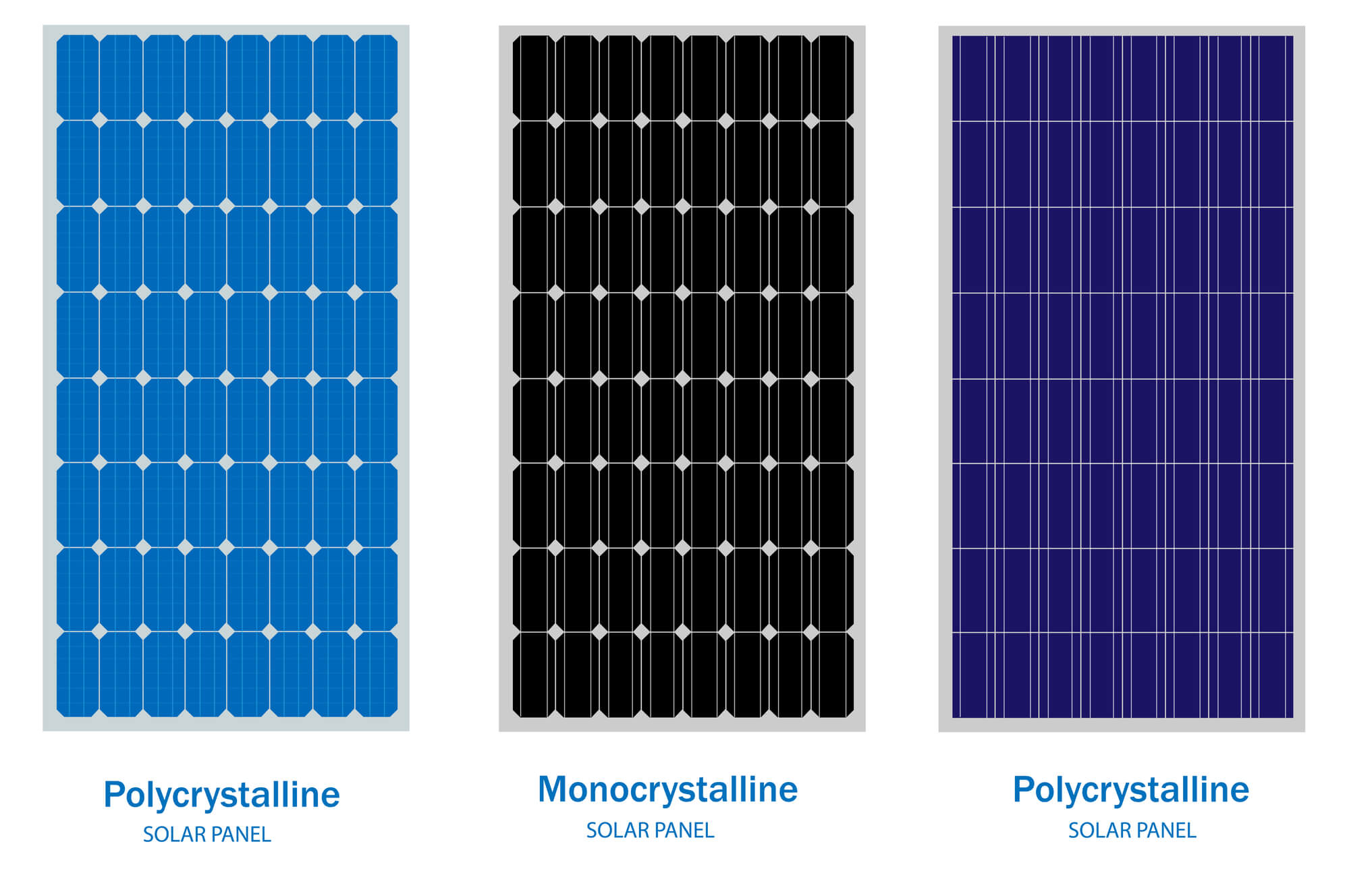
Rigid monocrystalline panels are the most common choice for motorhomes. They’re more efficient per square metre than older polycrystalline panels (the white-cell variety), produce better output in low light, and are the most cost-effective per watt for a permanent roof installation. A 200W rigid panel takes up roughly 1.4 x 0.7 metres of roof space. Most Renogy, ECO-WORTHY, and Victron panels in the motorhome market are rigid monocrystalline, and they’re the right default choice for a fixed installation.
Flexible monocrystalline panels are thinner and lighter, bonding directly to curved or uneven roof surfaces without the need for raised mounting brackets. They work well on van conversions with curved fiberglass roofs (like classic VW or Ford Transit conversions) where a rigid panel’s mounting frame would be awkward. The trade-off is shorter lifespan: flexible panels degrade faster than rigid because the bending stress on the cells over time causes micro-cracks, and they’re harder to cool (panels lose efficiency as they heat up, air can’t circulate under a bonded flexible panel the way it can under a raised rigid mount). Expect 5-8 years from a good flexible panel versus 20-25 years from a rigid equivalent.
Portable folding panels, typically 100-200W foldable units that pack into a carry bag, are the best choice for anyone who parks in shade and wants to place the panel in sun away from the van. A portable 120W panel positioned on a sunny part of a field, connected to the leisure battery via a long cable, will significantly outperform a 200W fixed panel in permanent shade. Portable panels can also supplement a fixed roof installation on good days. The drawback is that someone has to set them up and put them away, and they can be stolen if left unattended.
LiFePO4 vs AGM Batteries: The Choice That Matters Most
The battery is the heart of a motorhome solar system, and the choice between LiFePO4 (lithium iron phosphate) and AGM (absorbent glass mat) is the single biggest decision you’ll make.
| Feature | LiFePO4 | AGM |
|---|---|---|
| Cycle life | 3,000-6,000+ cycles | 300-500 cycles |
| Usable capacity | 80-100% of nameplate | 50% of nameplate (never discharge below 50%) |
| Weight (100Ah) | 12-14kg | 25-30kg |
| Charge speed | Fast (accepts full charge current) | Slow (tapers significantly above 80%) |
| Self-discharge rate | 2-3% per month | 3-5% per month |
| Cold weather performance | Reduced below 0°C (protect from frost) | Significantly reduced below 5°C |
| Price (100Ah) | £200-400 | £80-150 |
| Lifespan | 10-15 years typical | 3-5 years typical |
The numbers tell the story. A 100Ah LiFePO4 battery gives you 80-100Ah of usable power. A 100Ah AGM gives you 50Ah before you risk damaging it with deep discharge. So a LiFePO4 battery effectively delivers twice the usable capacity for a given nameplate rating. Factor in the cycle life difference (5,000 cycles vs 400), and a £300 LiFePO4 battery outlasts roughly ten AGM batteries over its lifetime, making it dramatically cheaper per cycle.
For a motorhome solar system installed in 2026, LiFePO4 is the right choice unless budget is the primary constraint. Even entry-level brands like ENJOYBOT and AMPERE TIME produce reliable cells; the premium brands (Victron, Battle Born, Fogstar Drift) add better BMS protection and more detailed monitoring.
One important note on cold weather: LiFePO4 batteries must not be charged when their cell temperature is below 0°C, the BMS will disconnect the charge input to prevent damage. In a UK winter motorhome parked outside overnight, this is a real consideration. Most quality LiFePO4 batteries have a heated BMS option, or you can ensure the battery is in an insulated bay that doesn’t drop below freezing overnight.
MPPT vs PWM Charge Controllers
The charge controller sits between the solar panels and the battery, regulating the power flow so the panels don’t overcharge or damage the battery. There are two types: PWM (pulse width modulation) and MPPT (maximum power point tracking).
PWM controllers are cheaper (£15-40) but waste a significant proportion of the available power, particularly in low-light conditions. They work by connecting the panel directly to the battery and regulating by chopping the current, which means the panel can only operate at battery voltage rather than its optimal operating voltage. On a bright summer day in full sun, the efficiency loss is manageable. On a typical overcast UK day, where the panel is operating far below its maximum power point, a PWM controller can lose 25-30% of the available energy compared to an MPPT.
MPPT controllers (£40-150 for motorhome-scale systems) track the panel’s maximum power point continuously and convert the voltage down to the battery level efficiently, recovering energy that PWM controllers waste. For UK year-round use, the MPPT advantage is most valuable precisely when you need it most: grey days in autumn and spring when you’re getting 40-60% of rated panel output. A Victron SmartSolar 75/15 or Renogy Wanderer MPPT are both well-regarded, widely used options in the UK motorhome community.
The rule of thumb: if you’re fitting more than 100W of panels or you use the van in autumn, winter, or spring, the extra cost of MPPT is recovered in extra energy harvested within a single season.
The DC-DC Charger: Essential for UK Winter Van Life
A DC-DC charger (also called a B2B, battery-to-battery, charger) connects to the vehicle’s starter battery and charges the leisure battery while the engine is running. This is how you use driving time to supplement solar charging, and in the UK from November through February it’s often the primary way of keeping the leisure battery topped up.
Modern vehicles have smart alternators that vary output voltage rather than maintaining a constant 14.4V, they’re designed to reduce fuel consumption, not to charge additional batteries. A basic split-charge relay doesn’t work properly with smart alternators and may barely charge the leisure battery at all. A DC-DC charger handles this by drawing a controlled current from the starter battery side and converting it to the right profile for the leisure battery type (AGM or LiFePO4 have different optimal charging curves).
Popular DC-DC charger options in the UK include the Victron Orion-Tr Smart (£80-150 depending on rating) and the Sterling BB1230 (£90-120). A 30A DC-DC charger will put around 400Wh into a LiFePO4 battery in a 1-hour drive, roughly equivalent to 100-200W of solar on a decent UK summer day. In winter, driving an hour a day combined with whatever solar the roof can harvest is usually enough to maintain a 100-200Ah LiFePO4 system in good health.
Complete Component Checklist and Typical Costs
| Component | Typical Spec (weekend/regular user) | Typical Cost (DIY) | Notes |
|---|---|---|---|
| Solar panels | 200W rigid monocrystalline | £80-150 | Renogy, ECO-WORTHY, or Victron |
| Leisure battery | 100-200Ah LiFePO4 | £200-400 | Check BMS includes low-temp protection |
| MPPT charge controller | 20-30A MPPT | £40-100 | Victron SmartSolar or Renogy MPPT |
| DC-DC charger | 20-30A B2B charger | £80-150 | Victron Orion-Tr Smart most popular |
| Roof mounting brackets | Aluminium angled mounts | £30-60 | Allow air gap under panel for cooling |
| Solar cable (6mm²) | 5-10 metres per panel | £15-30 | Twin core, UV-resistant sheathing |
| MC4 connectors | 4-6 pairs | £10 | Use correct crimp tool: poor crimps cause resistance losses |
| Cable entry gland | 1-2 units | £10-20 | Prevents water ingress at roof penetration |
| Fuse/MCB protection | 30A fuse near battery | £10-20 | Required: don’t skip this |
| Battery monitor | Victron BMV-712 or similar | £50-80 | Shunt-based gives accurate SOC readings |
| Total (200W/100Ah LiFePO4 system) | £550-1,000 | DIY installation; add £200-400 for professional fitting |
Installing Solar Panels on a Motorhome Roof
Installing solar panels on a motorhome doesn’t require planning permission and can be done by any competent DIYer. The key considerations are watertightness, panel security, and cable protection.
Mounting brackets should be aluminium and allow a minimum 20-30mm air gap beneath the panel. Panels heat up significantly in direct sun, and a panel running at 60°C produces notably less power than one cooled by airflow. Adhesive-bonded flexible panels sitting flat against the roof can reach 70-80°C in summer, which accelerates degradation. Raised rigid mounts on aluminium Z-brackets are the standard approach for good reason.
Cable entry glands should be used wherever cables penetrate the roof. Never drill a bare hole and run cable through it, UK rain will find that hole, and water ingress into the roof structure is an expensive problem to fix. Cable entry glands seal around the cable with rubber and provide a watertight joint. Lap sealant around the base of the gland after installation as a secondary measure.
Cable sizing matters more than most DIY guides suggest. Thin cable creates resistance, resistance creates heat, heat creates fire risk and energy losses. For the run from panel to controller, use 6mm² cable for runs up to 5 metres; step up to 10mm² for longer runs. From controller to battery, use 10-16mm² cable depending on the controller amperage. Always fit a fuse as close to the battery terminal as possible, this is the protection that prevents a short circuit in the wiring from causing a fire.
Kit vs DIY: Which Route to Choose
Several suppliers sell motorhome solar kits that include panel, controller, cables, connectors, and mounting hardware as a bundle, typically 100W, 200W, or 400W options. Renogy, ECO-WORTHY, and Victron all offer kits. These are a good starting point for first-time installers because the components are matched, the cable lengths are pre-calculated, and the documentation covers the specific configuration.
The main limitation of kits is that they typically include PWM rather than MPPT controllers at the lower price points, and they rarely include a DC-DC charger (which you’ll need separately if you want alternator charging). Kits also don’t include batteries, which is where most of the value is.
If you’re confident enough to source components individually, panel, MPPT controller, LiFePO4 battery, DC-DC charger, cable, and hardware, you’ll typically save 15-25% versus a bundle and get to choose better-specified components for each function. The Victron ecosystem (SmartSolar MPPT + BMV battery monitor + Orion DC-DC charger + Cerbo GX) is the gold standard for UK motorhome and van conversion installations because all components communicate via Bluetooth and the Victron Connect app gives you a real-time overview of your entire system.
Maintaining the System Through a UK Winter
Solar systems don’t need much maintenance, but there are a few things to do before and during winter storage or reduced use:
Keep panels clean. A thin layer of road grime and bird mess can reduce output by 10-15%. A monthly wipe-down with a damp cloth, or a brush extension from the ground, takes 10 minutes and makes a real difference.
Store LiFePO4 batteries at 50-60% charge if the van is parked up for weeks at a time. The BMS will manage self-discharge, but leaving the battery at 100% during extended storage slightly accelerates degradation. Most battery monitors or the Victron app will show you the state of charge.
In severe frost (below -10°C), particularly if the van is in an unheated garage or outdoor storage, consider whether the battery bay can freeze. LiFePO4 batteries aren’t damaged by cold storage, but they won’t accept charge below 0°C until warmed up. A temperature sensor at the battery that you can check on the app before connecting charge is useful.
Case Study: 200W Solar System on a Fiat Ducato Motorhome in Wales
Background
A couple based in Cardiff retrofitted their 2018 Fiat Ducato motorhome with a solar and battery system to reduce their dependence on campsite hook-ups. They travel for around 30 weekends a year, including several winter trips to Snowdonia and the Pembrokeshire coast, and were previously paying £15-20 per night for hook-up on most trips.
Project Overview
The main loads were a compressor fridge (the existing 3-way absorption fridge was replaced with a 12V Dometic compressor unit), a diesel heater, LED lighting, and regular charging of two phones, a tablet, and a camera. Estimated daily consumption: 600-700Wh in summer, 900-1,100Wh in winter.
Implementation
Two 175W rigid monocrystalline panels were installed on the roof (350W total), connected to a Victron SmartSolar 100/30 MPPT controller. A 200Ah Fogstar Drift LiFePO4 battery was fitted in the garage locker, with a Victron Orion-Tr Smart 30A DC-DC charger connecting to the starter battery. Total DIY installation time: a weekend. Component cost: £1,450.
Results
In summer, the solar system provides all the power needed without any driving required. On overcast Welsh summer days, the MPPT controller typically harvests 200-400Wh, enough to maintain the battery through an overnight stay. In winter, a 90-minute drive from Cardiff charges the battery from 60% to 95% via the DC-DC charger, and the solar adds another 100-200Wh on short December days. Hook-up fees have dropped from around £600/year to under £80/year, saving the system’s cost within three years.
Expert Insights From Our Solar Panel Installers About Motorhome Solar
One of our senior solar panel installers with over 14 years of experience in solar installations, including off-grid and mobile applications, says: “The biggest error people make with motorhome solar is calculating purely for summer and then being bitterly disappointed in October. I always tell customers: size the battery and panels as if it’s November. A system that works in a Welsh November works brilliantly in June. Size for June and you’ll spend half your winter plugged into a campsite hook-up wondering why you bothered. And never, ever fit a PWM controller on a van that goes out in autumn or winter, the difference in energy harvest on a grey day is dramatic.”
Frequently Asked Questions
How many solar panels does a motorhome need?
For weekend leisure use with a fridge, lights, and phone charging, a single 200W panel with a 100Ah LiFePO4 battery covers most summer needs. For full-time living or year-round use in UK winters, 400-600W of panels with 200Ah+ of LiFePO4 battery gives you genuine energy independence. Always add 30-50% to your calculated solar requirement to allow for overcast days and seasonal variation.
What size solar panel do I need for a motorhome fridge?
A 12V compressor fridge (the most efficient type) uses 35-45W on average over 24 hours, adding up to 840-1,080Wh per day. A single 200W panel generates 800-1,200Wh per day in summer, so it covers the fridge and a few other loads easily. In winter, a 200W panel might only generate 200-400Wh on a typical overcast UK day, you’ll need either a larger panel array or alternator charging via a DC-DC charger to compensate.
Is LiFePO4 better than AGM for a motorhome?
Yes, for almost all motorhome applications in 2026. LiFePO4 delivers twice the usable capacity per nameplate Ah (80-100% usable vs 50% for AGM), weighs roughly half as much, charges faster, and lasts 10-15 times as many cycles. The higher upfront cost is recovered within 3-5 years compared to replacing AGM batteries. The only scenario where AGM makes sense is a very tight upfront budget with minimal year-round use.
Do I need a DC-DC charger if I have solar panels?
Yes, for UK year-round use. Solar alone is often insufficient from November through February when UK daylight hours and sun angles are at their lowest. A DC-DC (B2B) charger allows your engine’s alternator to charge the leisure battery while driving, ensuring your battery stays topped up through the winter. Modern vehicles have smart alternators that require a DC-DC charger, a simple split-charge relay won’t work correctly.
Can I fit solar panels to a motorhome without planning permission?
Yes. Planning permission regulations apply to buildings and structures, not vehicles. Solar panels fitted to motorhomes, campervans, and van conversions don’t require any consent from the local planning authority. You will however need to ensure the installation is mechanically sound (panels must not be able to come loose at motorway speeds) and electrically safe (correct cable sizing, fusing, and earthing).
What’s the difference between MPPT and PWM solar controllers?
An MPPT (maximum power point tracking) controller finds the optimal operating voltage of the solar panel and converts excess voltage to additional current, recovering 25-30% more energy than a PWM controller in typical UK overcast conditions. PWM controllers are cheaper but waste energy, particularly in low light. For any motorhome system over 100W or used year-round in the UK, MPPT is worth the extra £30-60.
How do I calculate what size solar system I need for my van?
Add up your daily energy consumption: multiply each appliance’s wattage by the hours you use it per day to get Wh. A fridge might use 900Wh/day; lighting and phone charging another 150Wh. Total that up, then multiply by 1.4 (to allow for inefficiency and overcast days). That’s your minimum daily solar generation target. Match it to a panel array sized to produce that in UK peak sun hours (typically 3-4 hours in summer, 1-2 hours in winter for the south of England).
Can I run an inverter from a motorhome solar system?
Yes, but inverters draw significant power and should be sized carefully. A 1,000W inverter running a laptop charger (65W) uses about 80W from the battery (allowing for conversion losses). Running a 2kW kettle from an inverter would drain a 200Ah LiFePO4 battery in under an hour. For occasional laptop charging and phone charging, a 300-500W pure sine wave inverter is fine. For anything resembling mains-level appliances, you’d need a generator or hook-up connection.
Summing Up
A well-designed solar system transforms a motorhome from a vehicle dependent on campsite hook-ups into a genuinely self-sufficient travelling home. The right combination for most UK motorhome users in 2026 is 200-400W of rigid monocrystalline panels, a LiFePO4 battery sized to cover two days of consumption, an MPPT charge controller, and a DC-DC charger to let the alternator fill the gap on short winter days.
The investment pays back quickly in hook-up fees avoided, typically £300-600 per year for a regular traveller, and more importantly it opens up the freedom to park in laybys, National Park car parks, and wild camping spots that have no power connections at all. For anyone serious about getting off the grid in a British motorhome, solar plus a good LiFePO4 battery is not a nice-to-have. It’s the foundation of the whole system.
If you’re planning a full solar installation for a motorhome, caravan, or commercial vehicle, our team of solar specialists can advise on system sizing and professional installation.
Updated