
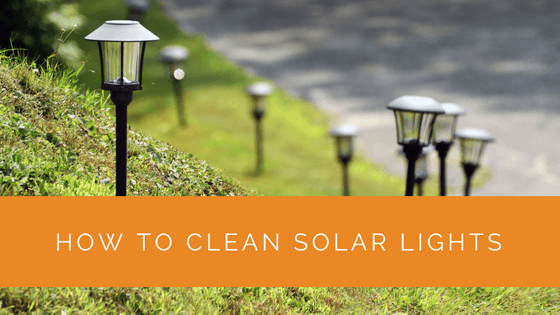
Solar lights are fantastic for adding ambient lighting to your garden without running electricity cables or worrying about energy bills. But like all outdoor equipment in the UK, they can quickly accumulate dirt, pollen, bird droppings, and the dreaded algae that thrives in our damp climate. Even a thin film of grime on the solar panel can cut charging efficiency by up to 30 percent, leaving your lights dimmer and running time shorter.
The good news is that keeping solar lights clean and performing at their best takes just a few minutes and some basic household items. This guide walks you through everything you need to know to maintain your solar lights year-round, with specific attention to the UK’s rainy weather, spring pollen, and seasonal challenges.
Regular cleaning not only keeps lights brighter but also extends battery life and prevents moisture damage that can turn a three-year light into a one-year throwaway.
Contents
- 1 Key Takeaways
- 2 Why Solar Lights Stop Working (or Get Dimmer)
- 3 What You’ll Need to Clean Solar Lights
- 4 How to Clean the Solar Panel
- 5 How to Clean the Light Casing and LED Lens
- 6 How to Clean Solar Light Stakes and Bodies
- 7 How to Clean and Maintain the Battery Compartment
- 8 How Often Should You Clean Solar Lights in the UK?
- 9 Special Considerations for Different Types of Solar Lights
- 10 Common Mistakes to Avoid When Cleaning Solar Lights
- 11 Maintaining Solar Lights Through UK Seasons
- 12 Case Study: Restoring Solar Garden Lights After a UK Winter
- 13 Expert Insights From Our Solar Panel Installers About Cleaning Solar Lights
- 14 Frequently Asked Questions
- 14.1 Can I use a pressure washer to clean solar lights quickly?
- 14.2 How do I know if my solar light is broken or just needs cleaning?
- 14.3 What type of batteries should I use in solar lights?
- 14.4 How often should I replace the batteries in my solar lights?
- 14.5 Can I use vinegar to clean algae off solar lights?
- 14.6 Should I store solar lights indoors during winter?
- 14.7 Why are my solar lights still dim after cleaning?
- 15 Summing Up
Key Takeaways
- Clean solar panels every 2-3 months (more often during spring and autumn) to maintain peak charging efficiency.
- Even a thin film of dirt reduces charging efficiency by 25-30 percent, noticeably dimming output.
- Use only soft cloths and mild washing-up liquid. Avoid abrasive cleaners, pressure washers, and harsh chemicals.
- Check and clean battery terminals for corrosion. Replace NiMH batteries every 1-2 UK winters (typically October/November).
- In spring, remove algae and moss from panels and casings with a soft brush and vinegar solution.
- Position lights in south-facing spots before winter to maximise sun exposure during short daylight hours.
- Store or relocate lights during extreme weather (heavy frost, flooding) to prevent damage.
Why Solar Lights Stop Working (or Get Dimmer)
Before you start cleaning, it helps to understand why solar lights fade or fail altogether. The primary culprit is panel opacity. A clean solar panel will be transparent or slightly translucent, allowing sunlight to reach the battery underneath. When dirt, dust, pollen, or algae covers the panel, light can’t penetrate effectively, and the battery charges much more slowly.
In the UK, we face some specific challenges. Bird droppings and tree sap are obvious villains, but less obvious offenders include fine algae and moss that grow on panels in damp, shady areas. Spring pollen from oak and birch trees blankets everything. Frost can also leave mineral residue on panels after melting. Over autumn and winter, dampness encourages mould growth on casings and can corrode battery terminals inside.
The second reason lights dim is battery degradation. Most solar lights come with standard NiMH rechargeable batteries (usually AAA or AA size). These don’t last forever. After 1-2 UK winters, they lose capacity and need replacing. If your lights are clean but still dim, the battery is likely the culprit, not the panel.
What You’ll Need to Clean Solar Lights
Gather these items before you start. Most are probably already in your kitchen or bathroom.
- Soft cloth or microfibre cloth. Cotton or microfibre only. Avoid paper towels and rough textiles that can scratch the plastic panel.
- Warm water and mild washing-up liquid. This is your primary cleaner for everyday grime. Mix a small bowl with warm water and a few drops of liquid.
- Old soft toothbrush or soft nail brush. Use this for gently scrubbing stubborn algae or moss off the casing without damaging anything.
- White vinegar (optional). For removing mineral deposits, algae, and battery corrosion. Keep a small bottle handy, especially after winter.
- Isopropyl alcohol (optional). For stubborn marks on the LED lens or panel. Use sparingly and avoid soaking the light.
- Brasso or plastic clarifier (optional). If the LED lens has yellowed, a light polish restores clarity. Test on a hidden area first.
- Replacement batteries (AAA or AA NiMH). Keep a spare set ready. Most lights use standard rechargeable batteries, not proprietary types.
- Small screwdriver (if needed). Some lights have a small battery compartment screw. A standard flat-head is usually sufficient.
Do NOT use pressure washers, bleach, scouring pads, or harsh chemical cleaners on solar lights. These damage the plastic panel coating, corrode metal components, and can render the light permanently unusable.
How to Clean the Solar Panel
The solar panel is the most critical component to keep clean, as it directly affects charging efficiency.
Step 1: Switch off the light (if applicable). Most solar lights don’t have an on/off switch, but some newer models do. If yours has one, flip it to off. This prevents the light from turning on whilst you’re handling it if the sun dips behind a cloud.
Step 2: Inspect the panel for damage. Look for cracks, cloudiness, or discolouration that suggests internal moisture. A crack means water is already inside, and cleaning won’t restore function. (You’ll need to replace the light.) Small scratches are cosmetic and won’t affect performance.
Step 3: Wipe with a damp cloth. Use your microfibre cloth lightly dampened with warm water (no soap yet). Gently wipe the panel in circular motions. Don’t press hard. You’re removing loose dust and pollen, not scrubbing.
Step 4: Add mild soap for stubborn marks. If you see bird droppings, dried sap, or streaks that water alone won’t budge, dip the cloth in your warm soapy water and gently wipe the marked areas. Use light pressure. The soap helps break down oily residue.
Step 5: Rinse with clean water. Use a separate damp cloth with plain warm water to wipe away soap residue. Solar panels perform better when left soap-free.
Step 6: Dry immediately. Use a clean, dry microfibre cloth to dry the panel thoroughly. Leaving water droplets on the panel can cause streaking or leave mineral deposits, especially in hard water areas.
For algae or moss (common in shady, damp garden areas), use a soft brush and a vinegar solution. Mix equal parts white vinegar and water. Dab the mixture onto the algae and gently brush with your old toothbrush. Don’t soak the light. Rinse thoroughly and dry.
How to Clean the Light Casing and LED Lens
The casing and lens are just as important as the panel, because moisture inside degrades the LED and battery.
Inspect for cracks or gaps. Before cleaning, check the entire casing for cracks where water could seep in. Look especially at the joint where the panel meets the body, and around any seams. If you find cracks, the light is compromised, and cleaning won’t help. Water is already inside.
Clean the lens. The LED lens (the transparent plastic covering the bulb) often becomes cloudy or yellowed after a year or two outdoors. This dimness isn’t dirt; it’s UV damage to the plastic. For mild yellowing, gently wipe with a damp cloth and mild soap. For stubborn cloudiness, try Brasso (the metal polish). Apply a tiny amount to a cloth, rub gently in circular motions, and wipe clean. Test on an inconspicuous spot first to make sure it doesn’t damage the plastic. Alternatively, a dedicated plastic clarifier from a car accessories shop works well.
Clean the casing body. Wipe the exterior with your damp cloth and mild soap, just as you did the panel. Pay special attention to the bottom and sides where dirt collects. Use the soft toothbrush for crevices or stubborn algae around the stake or base.
Check for moisture inside. If the casing has any condensation visible inside the plastic, the light is already failing due to internal moisture. Cleaning the outside won’t help. The seal is broken, and the light will eventually stop working.
How to Clean Solar Light Stakes and Bodies
The stake (the part that goes into the ground) and the main body accumulate mud, grass clippings, and sometimes corrosion.
For stakes: Remove the light from the ground (if it’s a detachable design). Wipe the stake with a damp cloth to remove mud and soil. If the stake is metal and shows green or white corrosion, use your vinegar solution. Soak a cloth in equal parts vinegar and water, wrap it around the corroded area for a minute or two, then scrub gently with the toothbrush. Rinse and dry. The goal is to remove corrosion that could spread to the battery contacts inside.
For wall lights: If your light is mounted on a wall or fence, wipe the entire back and sides with a damp soapy cloth. Check behind the light for accumulated dirt or spider webs, which can block ventilation and trap moisture.
For string lights: Wipe each small light individually. Pay attention to the joints where lights connect to the wire, as these trap dirt.
How to Clean and Maintain the Battery Compartment
Most solar lights have a small battery compartment underneath or on the side. Opening it gives you access to the batteries and contacts, which are crucial for maintaining reliable function.
Step 1: Locate and open the compartment. Look for a small seam, hatch, or screw underneath the light. Most compartments are secured by one small screw (flat-head screwdriver) or simply slide open.
Step 2: Inspect for corrosion. Once open, look at the battery terminals (the small metal springs or contact points). If they’re clean and shiny, all is well. If they’re green, white, or black, corrosion has set in. This reduces electrical contact and dims the light.
Step 3: Clean corroded terminals. Dip a cotton bud in white vinegar and rub the corroded terminals gently. Use a fresh bud for each light. Avoid soaking the entire compartment. Once cleaned, use a dry bud to dry the terminals completely.
Step 4: Check the batteries. Remove the batteries and inspect them. If they’re leaking (white or clear residue around them), discard them and replace immediately. Even if not leaking, after 1-2 UK winters, standard NiMH batteries lose capacity. Replace them as part of your spring maintenance routine or whenever you notice dimming that cleaning doesn’t fix.
Step 5: Install fresh batteries. Use standard rechargeable NiMH batteries (AAA or AA, depending on your light). Always use rechargeable batteries, never alkaline. Alkaline batteries can leak and corrode the compartment permanently. Insert batteries with the correct polarity (most lights have + and – marked inside).
Step 6: Reseal the compartment. Close the hatch or screw it down securely. A loose compartment lets water in, which will quickly damage the light.
How Often Should You Clean Solar Lights in the UK?
Frequency depends on your location and season, but here’s a practical guide.
Spring (March-May): Clean lights every 2-3 weeks. Pollen from trees is at peak levels, and winter grime (algae, lichen, frost mineral deposits) needs removing before summer. This is your most intensive cleaning season.
Summer (June-August): Clean every 4-6 weeks. Dust and occasional bird droppings accumulate, but growth is slower than in spring. If your lights are in deep shade, check more often, as algae can grow faster.
Autumn (September-November): Clean every 3-4 weeks. Leaf debris and pollen from autumn blooming plants (like ivy) settle on lights. Before the first frost, do a thorough clean and replace batteries if needed.
Winter (December-February): Clean once a month if you’re storing lights outdoors. If lights are heavily frosted, gently wipe them after frost melts (don’t force frost off; let it melt naturally). Store lights in an unheated shed or garage if possible. Move any outdoor lights to south-facing spots where they’ll get maximum winter sun exposure.
In areas with heavy pollen (near birch or oak trees) or damp shaded gardens, clean more often. In open, sunny areas with good drainage, you can stretch to 6-8 weeks between cleans.
Special Considerations for Different Types of Solar Lights
Stake lights (pathway lights): These sit low to the ground and accumulate mud splatter. Wipe them weekly during wet months. Check that the stake is fully driven into the ground and not tilted, as a tilted panel won’t face the sun optimally.
Wall lights (mounted on fences or buildings): These are subject to rain run-off from gutters and roofs, which can leave mineral streaks. Clean behind them once a month to prevent moisture trapping. Ensure the mounting is secure so water doesn’t pool behind the light.
String lights (fairy lights or festoon-style): Wipe each individual light, paying special attention to the connections where the wire enters the light. These are prone to water ingress. Don’t soak the connections; just a damp cloth is enough.
Security lights (motion-activated): These often have larger solar panels and plastic lenses. Follow the standard cleaning routine, but also check that the motion sensor lens (usually a clear dome on the front) is clean. Dust on the sensor reduces sensitivity.
Underwater pool lights: If you have submersible solar lights, rinse them with fresh water after each use in chlorinated pools. Salt water is especially damaging. Dry thoroughly before returning to the pool.
Common Mistakes to Avoid When Cleaning Solar Lights
Using a pressure washer. Even on a gentle setting, pressure washers force water into seals and damage the panel coating. Never use one.
Using abrasive cleaners or scouring pads. These scratch the panel and casing plastic, which degrades light transmission and makes the plastic more prone to UV damage and water ingress.
Leaving soapy residue on the panel. Always rinse thoroughly with clean water and dry immediately. Soap residue clouds the panel and reduces efficiency.
Using harsh chemicals like bleach or methylated spirits. These corrode metal components and damage the plastic. Stick to washing-up liquid and vinegar.
Leaving old batteries in over winter. Alkaline or dead rechargeable batteries leak and corrode the compartment. Replace them every autumn before storage.
Cleaning in direct sunlight. Water droplets can magnify sunlight and cause spotting. Clean in the shade on a cloudy day if possible. At minimum, dry immediately.
Forgetting to switch off motion sensors. If your security light has an on/off switch, switch it off before cleaning. Otherwise, it may trigger during cleaning.
Not checking the battery compartment seal. A loose or damaged seal lets water in quickly. Always inspect and reseal properly.
Maintaining Solar Lights Through UK Seasons
Each UK season presents unique challenges. Here’s how to keep your lights performing year-round.
Spring maintenance (March-April). Winter is over, but spring brings pollen and rain. Do a thorough clean of all lights. Wipe panels and casings, clean battery terminals, and replace batteries if they’re over 18 months old. If you stored lights indoors for winter, reposition them in sunny spots. Prune back overhanging branches and shrubs that might shade the panels.
Summer care (June-August). The season is less harsh, but dust and bird droppings accumulate. Stick to your 4-6 week cleaning schedule. In very dry spells, check that lights aren’t sitting in dead grass clippings or dust that insulates them and retains heat. Ensure lights in deep shade (under trees or near buildings) don’t develop algae. Wipe these more frequently.
Autumn preparation (September-October). This is critical. Clean lights thoroughly, replace batteries, and inspect casings for cracks before winter weather arrives. Prune overhanging vegetation so winter sun can reach panels. In areas prone to leaf debris, consider moving lights to open spaces or storing portable ones indoors. Clean gutters near wall-mounted lights so rain doesn’t carry debris onto them.
Winter storage and positioning (November-February). If you live in an area with heavy frosts or flooding, store lights indoors in an unheated shed (not a warm room, which causes condensation). For lights left outdoors, move them to south-facing spots where they’ll catch what little winter sun is available. This is critical in northern UK locations where winter daylight is limited. If snow is forecast, move lights to sheltered areas so they’re not buried. After frost melts, gently wipe any mineral residue left by melt water. Never force frost off; let it melt naturally to avoid damaging the plastic.
Case Study: Restoring Solar Garden Lights After a UK Winter
Background
A homeowner in the Scottish Borders had a collection of six stake lights lining a pathway. After a harsh winter with heavy frosts and sporadic snow, the lights had dimmed noticeably. Two lights were barely visible at all. The homeowner assumed they were broken and ready for the bin.
Project Overview
Rather than replacing them, the homeowner decided to troubleshoot with a proper cleaning routine. The lights were over two years old and had never had a thorough clean or battery replacement since purchase.
Implementation
Starting in early March, the homeowner followed a systematic approach. First, each light was removed from the ground and inspected. The panels were covered in a combination of winter lichen, frost mineral deposits, and bird droppings from recent thaws. The battery compartments were opened (all had simple slide-off hatches). The batteries inside were the original rechargeable AAs, now over two years old and showing minor corrosion on the terminals.
Each light was cleaned: panels wiped with vinegar solution, casings scrubbed, battery terminals cleaned with cotton buds and white vinegar. All six lights received fresh rechargeable AA batteries. The lights were then positioned in a south-facing border where they’d receive maximum daylight in a spot previously shaded by a large bush that had been pruned back.
Results
Within three days, all six lights were noticeably brighter. The two that had seemed broken were now clearly operational, just very dim due to old batteries and grimy panels. By the end of the first week of reliable spring sunshine, brightness had stabilized at a much more useful level. A simple cleaning and battery replacement had extended the lights’ life by several years.
Expert Insights From Our Solar Panel Installers About Cleaning Solar Lights
One of our senior solar panel installers with over fifteen years of experience in UK residential installations shared this perspective: “Solar lights are brilliant for gardens, but people underestimate how much grime accumulates in our climate. I regularly see lights that look dead actually just need a clean and fresh batteries. The most common mistake is storing lights in a warm garage over winter, which causes condensation inside the casing. Always store in an unheated shed, and position outdoor lights in the sunniest spot possible come November. UK winter sunlight is precious, and you need every ray.”
Frequently Asked Questions
Can I use a pressure washer to clean solar lights quickly?
No. Pressure washers, even on a gentle setting, force water into seals and damage the protective coating on the solar panel. Stick to a soft cloth and warm soapy water. A gentle spray from a garden hose on the lowest setting is acceptable for rinsing, but never aim the nozzle directly at the light.
How do I know if my solar light is broken or just needs cleaning?
If the light is dim but still comes on at dusk, it probably just needs cleaning and possibly a battery replacement. If the light doesn’t turn on at all, check for cracks in the casing (which let water in) or a completely dead battery. Open the battery compartment and try fresh rechargeable batteries first. If still nothing, the light is likely damaged internally.
What type of batteries should I use in solar lights?
Always use rechargeable NiMH batteries (typically AAA or AA size, depending on the light). Never use alkaline batteries; they can leak and corrode the battery compartment permanently. Rechargeable batteries cost more upfront but last years longer and perform better in UK weather.
How often should I replace the batteries in my solar lights?
Most rechargeable NiMH batteries last 1-2 UK winters (typically October to March). If your lights are dimming in spring even after cleaning, it’s time for new batteries. Spring is the ideal time to replace them as part of your annual maintenance routine.
Can I use vinegar to clean algae off solar lights?
Yes. Mix equal parts white vinegar and water. Apply to algae-covered areas with a cloth or soft brush, let sit for a minute, then gently scrub. Rinse thoroughly with clean water and dry immediately. Vinegar also cleans corroded battery terminals effectively.
Should I store solar lights indoors during winter?
It depends on your location and how harsh your winters are. If you live in an area prone to heavy frosts, flooding, or deep snow, storing lights indoors in an unheated shed is wise. However, if you keep outdoor lights, reposition them in south-facing spots to catch maximum winter sunlight (critical in northern UK). Never store lights in a warm house, as condensation will form inside the casing.
Why are my solar lights still dim after cleaning?
The most likely cause is old batteries. After cleaning, replace the batteries with fresh rechargeable ones. If lights are still dim after that, check whether the solar panel is yellowed or scratched (which reduces light transmission), or if the light is positioned in a shaded spot. Moving it to a sunnier location often helps.

Summing Up
Keeping solar lights clean is the single best way to maintain brightness and extend their lifespan. In the UK’s damp, often grey climate, regular maintenance pays dividends. A simple routine of cleaning every 2-4 weeks, replacing batteries once a year in autumn, and checking battery terminals costs almost nothing and transforms dim, underperforming lights into reliable garden illumination.
The key is consistency and using the right tools. Soft cloths, warm soapy water, and vinegar for stubborn marks are all you need. Avoid pressure washers, harsh chemicals, and abrasive pads. Position lights in sunny south-facing spots, especially in winter. And don’t forget that old batteries are often the culprit when lights dim, not the panels themselves.
Follow the guidance in this article, and your solar lights will perform well for years, saving you the cost and hassle of frequent replacements.
Updated