Solar Panels Network Blog

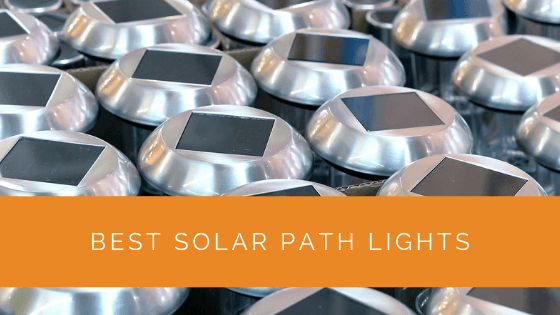
Best Solar Path Lights for 2026

If you’re looking to line a garden path, border, or driveway edge without running mains cable, solar path lights are one of the most practical upgrades you can make to a UK garden. Our top recommendation is the GIGALUMI Solar Pathway Lights 6-Pack, which combines a classic mushroom-cap profile, reliable warm white output, and a Read more »

Best Solar Wall Lights for 2026

For most UK gardens, driveways, and front walls, the CLAONER 126LED Solar Security Lights are the wall lights to start with. You get six of them for a very reasonable price, they mount in minutes without any wiring, and the PIR motion sensor reliably triggers on movement within a useful detection range. Whether you’re lighting Read more »

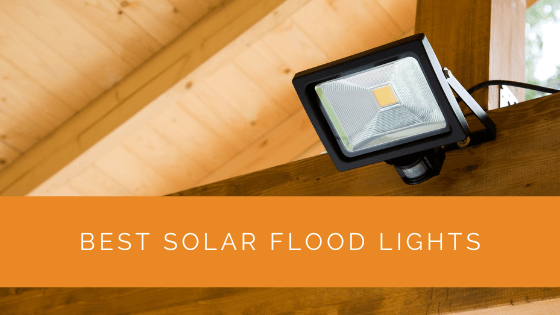
Best Solar Flood Lights for 2026

The KIBTOY Solar Security Light 70 LED 2-Pack is our top pick for UK buyers who want serious flood light coverage from a solar-powered unit. At 4.5 stars from 3,589 reviews, 360° wide-angle illumination, and IP65 weatherproofing, it delivers reliable performance across the range of positions UK homeowners actually need to light: driveways, side returns, Read more »

Integrated Solar Panels Guide

When most people think of solar panels, they picture sleek black rectangles mounted on top of a roof. But there’s another option: integrated solar panels, also known as building-integrated photovoltaics (BIPV). These panels are built into the structure of your roof itself, replacing traditional roof tiles or becoming part of the roof membrane. From the Read more »

Do Solar Panels Work in the Winter?

Yes, solar panels work in winter, but not nearly as well as in summer, and UK homeowners sometimes feel misled when their winter generation falls dramatically compared to the figures their installer quoted. The honest answer is nuanced: solar panels generate electricity year-round in the UK, but December and January output is typically 10 to Read more »

Do Solar Panels Work on Cloudy Days?

Yes, solar panels work on cloudy days. But the answer deserves more than that, because understanding how well they work in overcast UK conditions will help you set realistic expectations for your system’s performance throughout the year. Solar panels generate electricity from light, specifically from photons hitting the silicon cells. Clouds reduce the intensity of Read more »

What Is the Difference Between a 12v and 24v Solar System?

ltages. If you upgrade from 12V to 24V later, you’ll need a new inverter. Cables and Wiring: This is where the practical difference becomes apparent. 12V systems over long runs need thick cables (10-16mm²), whilst 24V systems can use thinner cables (4-6mm²). Thinner cables are cheaper, easier to route, and take up less space. Cost Read more »

Free Solar Panels

If you’ve searched for solar panels online recently, you’ve probably seen adverts promising “free solar panels” or “solar panels with zero upfront cost.” These claims can be incredibly tempting, especially for homeowners wanting to reduce their energy bills. But the truth is more complicated than the marketing suggests, and some “free solar panel” schemes are Read more »

Combining Heat Pumps and Solar Panel Heating

As we move towards a future that prioritizes energy efficiency and sustainability, the integration of heat pumps and solar panel heating systems has emerged as a game-changer in the realm of home heating and energy consumption. This partnership has the potential to revolutionise the way we heat our homes, while also contributing to a greener Read more »

Bifacial Solar Panels Guide

Bifacial solar panels generate electricity from both the front and the rear of the panel. While conventional solar panels only capture sunlight hitting their front surface, bifacial panels also harvest light reflected from the ground and surrounding surfaces onto their back, increasing total energy output without needing more roof space. In , bifacial technology has Read more »