
Solar panels are built to last 25 to 30 years, and most of the time you’ll never need to think about removing them. But sometimes circumstances change. Whether you’re selling your home, need urgent roof repairs, or your panels have reached the end of their life, understanding your removal options is crucial. Removal costs typically range from £300 to £600 per system, depending on the complexity of your installation and your location across the UK.
Removing solar panels safely is not a DIY job. It requires experienced installers who understand electrical connections, structural load points, and proper disposal procedures. In this guide, we’ll walk you through the reasons you might need panel removal, what the process costs, and how to find a qualified installer in your area.
The good news: removing panels doesn’t have to be complicated. Once you understand the process and typical costs, you can make an informed decision that protects both your home and your investment.
Key Takeaways
- Solar panel removal costs £300 to £600 on average in the UK, depending on system size and roof type
- Temporary removal for roof repairs can be done by qualified installers in one to two days
- End-of-life panels must be recycled through an approved scheme like PV Cycle under UK WEEE regulations
- Removing panels from your roof does not void the guarantee on your roof structure itself
- An MCS-certified installer can advise whether removal or repair is the best option for your situation
- Planning permission is not required to remove solar panels, even in conservation areas
- You can sell your home with panels still installed or have them removed before sale
- Roof damage underneath panels is uncommon, but removal gives you the chance to inspect and repair
Why You Might Need Solar Panel Removal
The most common reason homeowners remove solar panels is to access their roof for essential repairs or maintenance. Roof leaks, missing tiles, structural damage, and damp issues all require a qualified roofer to inspect the area beneath your panels. Panel removal is temporary in these cases: once the repairs are complete, your panels are reinstalled.
A second reason is end-of-life replacement. If your panels were installed in the mid-1990s, they may now be approaching the 25-to-30-year lifespan. Modern panels are significantly more efficient, and replacing older systems can improve your generation and lower your energy bills. Removal of the old panels is the first step in the upgrade process.
Some homeowners remove panels when selling their property. This is a personal choice. Many buyers now expect solar panels to be included in the purchase, viewing them as an asset. However, if you prefer to sell the panels separately or take them with you to a new home, removal is straightforward.
Lastly, severe weather damage (hail, high winds, falling debris) occasionally necessitates panel removal before the system can be assessed and repaired. A qualified solar surveyor can determine whether your panels are repairable or need full replacement.
Solar Panel Removal Costs Breakdown
The cost of removing solar panels depends on several factors: the size of your system, the type of roof, the accessibility of your installation, and your location within the UK.
For a typical 4kW residential system (10 to 12 panels), removal costs range from £300 to £500. A larger 5kW or 6kW system might cost £500 to £600. This price includes disconnecting the electrical wiring, unbolting the mounting brackets, carefully lifting panels from the roof, and safely lowering them to ground level.
Your roof type affects cost. Pitched tile roofs are straightforward. Flat roofs are generally easier. Metal roofs, slate roofs, or heritage properties may require additional care and therefore higher fees. If your installation includes a roof-mounted battery inverter or a pole-mounted system, removal costs can increase by £50 to £150.
Labour typically accounts for the largest portion of the bill. Most jobs take one to two days. If your electrician needs to visit separately to safely isolate the inverter and disconnect the grid connection, that’s an additional callout fee, usually £100 to £150.
Transport and disposal add minimal cost if your panels are going to a recycling facility. If you’re reinstalling panels after roof repairs, they can remain on site during the repair work.
Temporary Removal for Roof Repairs
If you need your roof inspected or repaired, you have two choices: remove the panels or repair the roof around them. Removal is usually the better option because it allows the roofer full access to assess damage underneath.
The temporary removal process works like this. Your solar installer disconnects the system safely, isolates the inverter, and documents the current configuration (where each panel sits, how the wiring runs, mounting bracket positions). Panels are carefully removed, stacked safely on the ground, and covered. Your roofer then completes the necessary work. Once repairs are done, your installer reinstalls the panels, reconnects all wiring, and tests the system to confirm everything is working correctly.
This process typically takes one day for removal and one day for reinstallation. Total downtime from your solar system is usually two to three days. During this period, you’ll have no solar generation, so you’ll rely on grid power or any battery storage you have.
Temporary removal is particularly useful if you discover a roof leak, structural damage, or damp. Once the panels are gone, a surveyor can see exactly what’s happened and recommend the best repair option. In most cases, the area beneath panels is perfectly fine: the mounting system actually protects that section of the roof from weather exposure over the years.
End-of-Life Panel Removal and Recycling
When panels reach the end of their serviceable life, they must be disposed of responsibly under UK law. The WEEE Directive (Waste Electrical and Electronic Equipment) classifies solar panels as electronic waste and requires them to be recycled, not sent to landfill.
Your installer should coordinate with an approved recycling scheme such as PV Cycle or a local specialist facility. These organisations disassemble panels, recover valuable materials (silicon, glass, aluminium, copper), and safely dispose of hazardous substances.
The cost of end-of-life removal and recycling is usually included in the removal quote. Some recycling facilities will even pay a small amount for panels in good condition (a few pounds per panel), though this depends on the recycler and the panel condition.
Recycling of solar panels is becoming increasingly efficient. Modern facilities can recover up to 95% of panel material. As panels from the early 2000s solar boom reach retirement age, the UK recycling industry is scaling up to handle the volume. By 2030, recycled materials will likely feed back into new panel manufacturing, creating a circular economy for solar.
Finding a Qualified Installer for Removal
Not every solar installer offers removal services. You need someone experienced in safely disconnecting electrical systems, handling panels without damage, and managing any associated roof work.
Start by contacting your original installer if they’re still in business. They have records of your system configuration and can remove it quickly. If your original installer is no longer available, ask your local MCS-certified installer whether they offer removal services. MCS certification is your assurance that the installer follows UK standards for electrical safety and workmanship.
When you request a quote, provide details about your system: the number of panels, the type of roof, the age of the installation, and whether you need temporary removal (for repairs) or permanent removal (end of life). A reputable installer will visit to assess the situation before quoting. Avoid anyone who quotes sight-unseen.
Ask whether the quote includes electrical isolation, safe disposal or reuse of panels, and a final safety test if you’re having panels reinstalled. A transparent quote will break down labour, materials, and disposal costs separately.
Will Removing Panels Damage Your Roof?
This is one of the most common concerns homeowners have, and the answer is reassuring: removal rarely causes damage to your roof.
Solar panel mounting systems distribute the weight across multiple points on your roof structure. Over 20 to 30 years, the roof beneath the panels is actually protected from weather exposure: it doesn’t fade, degrade, or weather as quickly as exposed roof. When panels are removed, you may notice a faint rectangular outline where the mounting system sat, but this is cosmetic only.
Occasionally, a roofer might discover that a small section of roof has deteriorated independent of the panels (for instance, a tile cracked from weather, or a flashing failure). This is unrelated to panel installation and would have occurred regardless. These issues are separate repair jobs and will be quoted by your roofer accordingly.
Your roof’s structural guarantee (typically 25 to 30 years from the date of roof installation) is not affected by solar panel installation or removal. If you have a roof leak that predates your solar panels or occurs near them, your roofer can investigate and repair it. The presence of panels does not void roof warranties.
Selling Your Home with or without Solar Panels
If you’re selling your property, you have the choice to leave your panels as part of the sale or have them removed.
Leaving panels in place is increasingly popular. Many buyers view solar panels as a valuable asset that will reduce their energy bills. If your panels are owned outright (not on a PPA or lease), they transfer to the new owner. You should disclose the FIT contract or SEG agreement details to the buyer so they understand the energy savings they’ll receive.
If your panels are on a Power Purchase Agreement (PPA) or lease, the contract details transfer to the new owner. Some buyers are comfortable with this; others prefer to own the system outright. Check your contract terms before selling.
If you prefer to remove panels before sale, budget £300 to £600 for removal and ensure any roof damage is repaired and tidied up before viewings. This gives buyers a clean slate and removes any questions about what will be included in the sale.
Whether you leave panels or remove them, disclose the system fully to your conveyancer and the buyers. Transparency builds trust and prevents complications later.
Case Study: Roof Repair and Panel Reinstallation in Greater Manchester
Background
A homeowner in the Greater Manchester area had owned a 4kW solar panel system for 18 years. The system was performing well and generating steady returns under the Feed-in Tariff. However, after a particularly wet winter, water marks appeared on an upstairs ceiling, indicating a roof leak somewhere above the panels.
Project Overview
The homeowner contacted their original installer to arrange temporary panel removal so that a qualified roofer could inspect the roof beneath. The installer quoted £350 for removal and reinstallation, with a one-day turnaround. The roofer, once given access, found a single cracked roof tile and a loose flashing around the panels’ edge (wear and tear, unrelated to the panels themselves).
Implementation
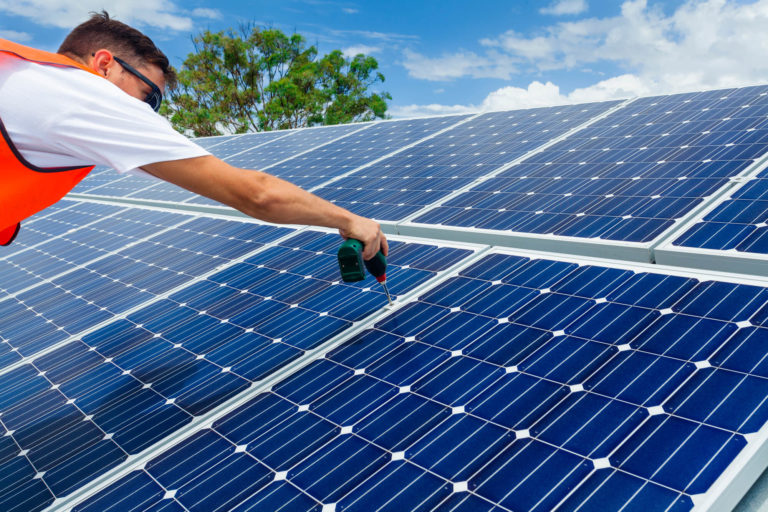
The solar installer disconnected the system, isolated the inverter, and carefully removed all 12 panels over the course of a morning. Panels were stacked on the ground and covered. The roofer then accessed the damaged tile and flashing, made repairs, and left the area clear by late afternoon. The next morning, the solar installer reinstalled the panels, reconnected all wiring, and performed a full system test to ensure everything was generating correctly.
Results
The leak was sealed, and the solar system was back in operation within 24 hours. Total downtime was minimal. The homeowner learned that the area beneath the panels had been protected well by the mounting system: no underlying structural damage was found. The temporary removal cost £350 and was a worthwhile investment to address the moisture issue. The system continues generating to this day.
Expert Insights From Our Solar Panel Installers About Panel Removal
One of our senior solar panel installers with over 15 years of experience says: “Removal is a straightforward job if you plan ahead. The most important thing is to disconnect the system correctly and work safely at height. We always photograph the installation before removal so we can put everything back exactly the same way. Most customers are surprised how quickly it’s done. A typical 4kW system takes four to five hours to remove and the same to reinstall. The key is having the right tools and knowing where every cable goes.”
Frequently Asked Questions
Can I remove solar panels myself?
No. Panel removal involves electrical disconnection, working at height, and proper handling of equipment. You must hire a qualified, preferably MCS-certified installer. Attempting removal yourself risks electrical hazard, falls, and damage to panels or roof.
How long does solar panel removal take?
Removal typically takes 4 to 8 hours depending on system size and roof access. Reinstallation takes a similar time. Most jobs can be completed in one or two days.
Will removal damage my panels?
Panels can be removed and reinstalled multiple times without damage if handled correctly by a qualified installer. However, very old panels or those with existing micro-cracks may be at higher risk. Your installer can advise before proceeding.
Do I need planning permission to remove solar panels?
No. Removing solar panels does not require planning permission in the UK, even in conservation areas or listed buildings. The planning consideration is for installation, not removal.
What happens to my Feed-in Tariff or SEG payments during removal?
You won’t generate electricity during removal, so you’ll receive no payments for those days. Inform your FIT provider or SEG supplier before scheduled removal so they’re aware of the outage. This won’t affect your contract or future payments.
Can I reuse panels from an old system on a new roof?
Yes, if the panels are still in good working order. Reusing older panels on a new roof is possible and can save money. Your installer will test the panels first and may need to replace mounting brackets or wiring to suit the new roof type.
Who pays for roof damage found during panel removal?
Roof damage found during removal is typically a separate repair cost. However, if the damage is caused by the removal process itself (improper handling, brackets torn through tiles), your installer should cover that cost. Damage that pre-existed or occurred independently is your responsibility to repair.
What is the best time of year to remove panels?
Spring or autumn are ideal, when the weather is stable and predictable. Avoid winter storms or summer heat waves. Schedule removal during a period of lower solar generation if you can, to minimise lost income. Summer months mean losing more potential generation per day, so plan around this if your budget allows.

Summing Up
Solar panel removal is a straightforward process when handled by a qualified installer. Whether you need temporary removal for roof repairs, end-of-life recycling, or are preparing to sell your home, costs are typically reasonable and the work is completed quickly. Always choose an MCS-certified installer who has experience with your specific roof type. For more information on how to find the right installer or to discuss your removal options, contact us for a free quote. We can help you navigate the process and ensure your panels or roof are handled safely.
Updated