

Solar panels on a conservatory are more limited than on a house roof, but not impossible, and in some configurations they deliver real value. The most useful solar application for conservatories in 2026 isn’t panels on the glass roof itself (which rarely makes sense), but panels on the solid side walls, on the flat or pitched roof section above the conservatory, or using semi-transparent BIPV (building-integrated photovoltaic) glazing that generates electricity through the conservatory roof while still letting light in. This guide covers what’s genuinely possible and what isn’t.
The honest starting point: a standard conservatory with a glass or polycarbonate pitched roof is not a good location for conventional solar panels. The slope faces every direction, the structural load capacity is usually insufficient, and the glass is designed for transparency not solar capture. But the walls, the roof terrace above (if any), and specialist BIPV glazing products open up real options that are worth understanding.
Contents
- 1 Key Takeaways
- 2 What Type of Conservatory Solar Is Possible?
- 3 Why Conventional Panels Don’t Work on Conservatory Glass Roofs
- 4 Planning for Conservatory Solar
- 5 The Better Alternative: Solar Elsewhere on the Property
- 6 Case Study: Cambridgeshire Victorian Terrace, BIPV Conservatory Roof
- 7 Expert Insights From Our Solar Panel Installers About Conservatory Solar
- 8 Frequently Asked Questions
- 8.1 Can I put solar panels on my conservatory roof?
- 8.2 What is BIPV solar glazing for conservatories?
- 8.3 How much electricity does a conservatory solar roof generate?
- 8.4 Does conservatory solar need planning permission?
- 8.5 Is conservatory BIPV solar worth the cost?
- 8.6 Can I install a solar pergola near my conservatory?
- 8.7 What are the alternatives to conservatory solar?
- 8.8 Will conservatory solar reduce my electricity bills?
- 9 Summing Up
Key Takeaways
- Conventional solar panels cannot be mounted on glass or polycarbonate conservatory roofs due to structural and aesthetic limitations.
- BIPV solar glazing (semi-transparent solar panels that replace conventional glazing) can generate electricity through a conservatory roof while maintaining light transmission of 10–40%.
- Solar panels can be mounted on the solid wall sections above and around a conservatory, on flat or pitched roof sections adjacent to it, or on a pergola structure over a garden terrace.
- A conservatory solar roof replacement with BIPV glazing typically costs £8,000–£18,000 and generates 500–1,500kWh/year depending on size and glazing transparency.
- The bigger opportunity for conservatory owners is usually solar panels elsewhere on the property, with the conservatory serving as additional summer living space that benefits from lower electricity bills.
- Planning permission may be required for some BIPV conservatory glazing installations, particularly in conservation areas.
What Type of Conservatory Solar Is Possible?
Option 1: BIPV Semi-Transparent Solar Glazing
Building-integrated photovoltaic (BIPV) solar glazing replaces conventional glass panels in a conservatory roof with specially manufactured panels that contain embedded solar cells. Light passes through the gaps between the cells, while the cells themselves generate electricity from sunlight. The transparency level is adjustable based on cell density: 10% cell coverage lets through 90% of light; 40% cell coverage lets through 60% of light and generates significantly more electricity.
BIPV glazing works particularly well on conservatories with a south-facing slope at a reasonable pitch (20–40 degrees). The panels look like tinted glass from the inside and externally are barely distinguishable from conventional glazing, which makes them suitable for planning-sensitive areas. Products from manufacturers including Onyx Solar, Polysolar, and Belectric are available through specialist UK installers.
The output of BIPV glazing is lower than conventional solar panels because the embedded cells have lower efficiency than dedicated panels and the semi-transparent design reduces active cell area. A 12m² conservatory roof with 20% cell coverage might generate 600–900kWh per year. At current electricity prices that’s £144–£216 in annual savings, with payback periods of 20–40 years at typical BIPV pricing. The financial case is usually weaker than conventional solar but improves when the BIPV glazing replaces glass that needs replacing anyway.
Option 2: Solar Panels on the Conservatory’s Solid Elements
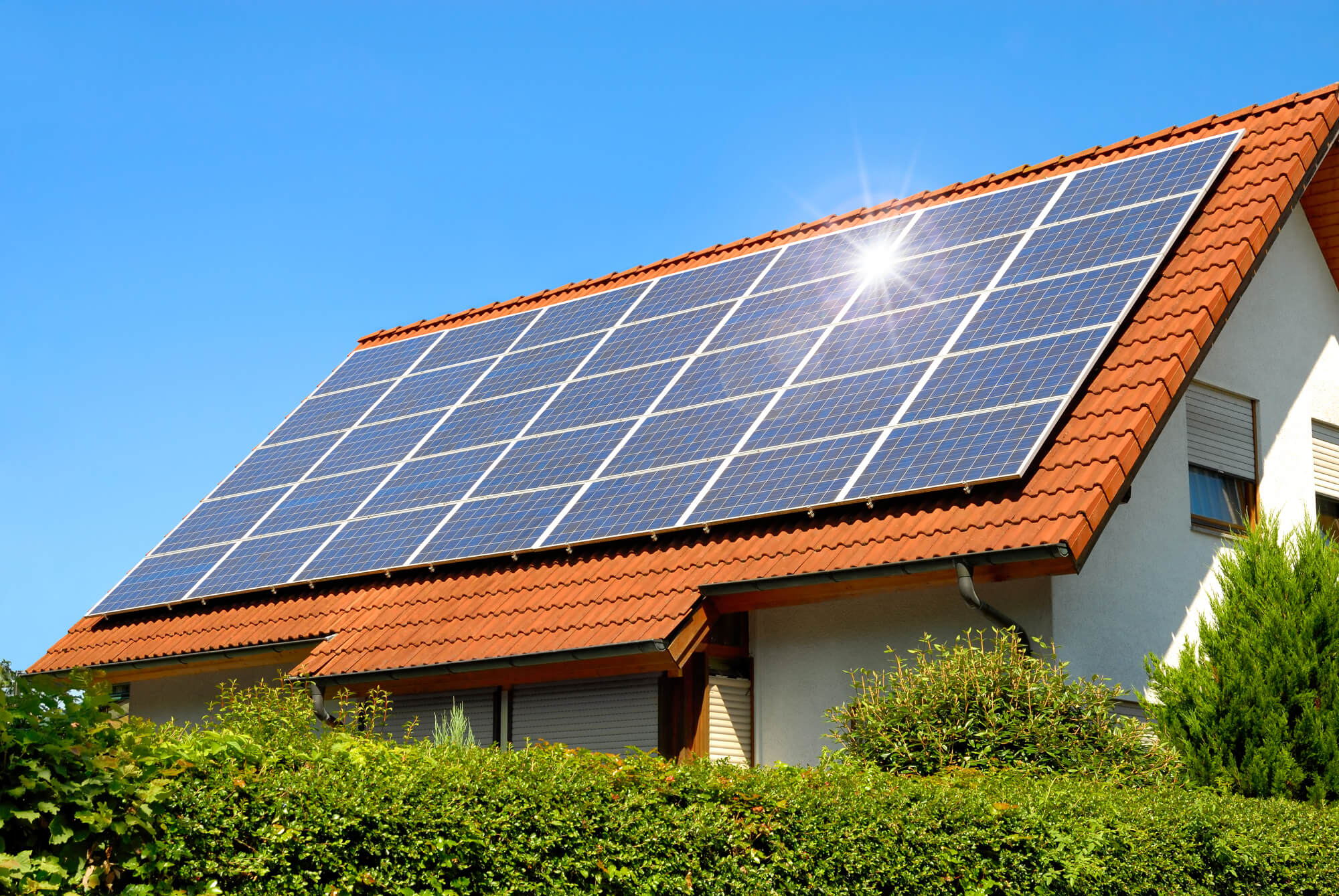
Many UK conservatories have solid side walls, a lantern or box gutter that creates a flat section, or a solid roof element above French doors that provides a small but usable roof area. If these elements face south and are structurally sound, standard solar panels can be mounted on them in the normal way. The output per panel is identical to any other installation; the constraint is simply the limited available area.
A conservatory side wall facing south can typically accommodate 2–4 panels (800W–1.6kWp) using a ground-spike or wall-mount frame. This won’t transform your electricity bill but adds incremental generation at relatively low additional cost if the main installation is already being planned.
Option 3: Solar Pergola or Carport Over Terrace
If you have a garden terrace or patio adjacent to the conservatory, a solar pergola, garden structure, or carport frame with panels mounted overhead generates electricity while also providing shade and weather protection. This is separate from the conservatory structurally, avoids any planning complications with the conservatory itself, and can accommodate a proper 2–4kWp system. The structure must be designed with solar in mind: the roof slope should face south at an appropriate tilt, and the frame must carry the load of the panels and wind uplift forces.
Why Conventional Panels Don’t Work on Conservatory Glass Roofs
Standard solar panels cannot be mounted on polycarbonate or glass conservatory roofs for several reasons. The structural load: a standard 400W panel weighs 20–25kg. A conservatory with 12m² of roof has 7 panel positions; that’s 140–175kg of dead load that the conservatory frame was not designed to carry. The connections: conservatory glazing bars are designed to hold glass, not to provide fixing points for panel mounting systems. The aesthetics: solar panels sitting on top of conservatory glass look industrial and out of place; most conservatory owners don’t want this.
The one exception is genuinely flat conservatory roofs (not angled glass roofs but solid flat roofs above a single-storey extension with a conservatory on one side). These flat roofs can carry panels on ballasted frames exactly as any other flat roof would, provided the structural loading has been assessed.
Planning for Conservatory Solar
BIPV glazing that replaces an existing conservatory roof may require planning permission in conservation areas or on listed buildings, even if conventional panel installations would have been within permitted development. The key question for planning is whether the installation “materially affects the appearance” of the property as seen from a public highway. In most cases, BIPV glazing that looks like dark-tinted glass does not materially affect appearance and falls within permitted development.
Contact your local planning authority before installation if you are in a conservation area or if the conservatory abuts a listed building. An experienced installer with BIPV experience will advise on planning status as part of the assessment process.
The Better Alternative: Solar Elsewhere on the Property
In most cases, the most financially sensible approach for conservatory owners is to install conventional solar panels on the house roof, garage, or an outbuilding, and enjoy the benefits across the whole property. The conservatory adds heated space to the house, and lower electricity bills from solar generation will reduce the cost of heating and cooling it just as much as the rest of the house.
If the house roof is genuinely unsuitable (north-facing, heavily shaded, or structurally poor), our solar panels for garages guide covers garage roof installations as an alternative. Ground-mounted solar in the garden is another option for properties with suitable outdoor space.
Case Study: Cambridgeshire Victorian Terrace, BIPV Conservatory Roof
Background
The owner of a Victorian terrace in Cambridge had a south-facing Victorian-style rear conservatory with a pitched glass roof. The main house roof faced north and had minimal solar potential. They wanted solar generation but couldn’t use the house roof. The conservatory’s original glass was failing and needed replacement.
Project Overview
An BIPV glazing specialist replaced the existing glass with Onyx Solar semi-transparent BIPV panels at 25% cell coverage. The project was planned to coincide with the unavoidable glazing replacement, which significantly improved the financial case. BIPV glazing cost: £11,200. Conventional glass replacement would have cost £3,800. Incremental BIPV premium: £7,400. Estimated annual generation: 720kWh. Annual saving at 24p/kWh: £173.
Results
The payback on the incremental BIPV premium is 42 years at year-one prices, which is beyond the warranty period. However, the homeowner valued the generation for other reasons: the property was in a conservation area where conventional panels were not permitted, and the BIPV glazing looked identical to conventional dark glass from the street. It was the only viable solar option for this specific property. The light transmission (75%) maintained the conservatory’s usability as a sunny room year-round.
Expert Insights From Our Solar Panel Installers About Conservatory Solar
“The first thing I tell people asking about conservatory solar is: let’s look at the house roof and garage first. BIPV glazing is impressive technology and it’s genuinely useful in specific situations, but the financial case is much weaker than conventional solar. If someone has a typical south or south-west facing house roof, putting conventional panels there generates four times more electricity at a quarter of the cost per kWh compared to BIPV. Conservatory BIPV makes sense when you’re replacing glazing anyway, or when no other solar option is available,” says one of our senior solar panel installers with over 11 years of UK residential experience.
Frequently Asked Questions
Can I put solar panels on my conservatory roof?
Conventional solar panels cannot be placed on glass or polycarbonate conservatory roofs due to structural limitations. BIPV semi-transparent solar glazing can replace the conservatory roof glass itself while generating electricity. Solid flat or pitched sections of a conservatory structure can carry conventional panels. A site assessment by an MCS-certified installer will identify which options apply to your specific conservatory.
What is BIPV solar glazing for conservatories?
BIPV (building-integrated photovoltaic) glazing replaces conventional glass with panels that contain embedded solar cells. Light passes through the gaps between cells (typically 60–90% light transmission) while the cells generate electricity from sunlight. It looks like tinted glass from both inside and outside the building. Available from specialist manufacturers and installers; payback periods are typically longer than conventional solar panels.
How much electricity does a conservatory solar roof generate?
A 12m² south-facing conservatory roof with 20–25% BIPV cell coverage generates approximately 600–900kWh per year. Higher cell coverage generates more electricity but reduces light transmission. Conventional solar panels in the same area would generate 2,000–2,500kWh per year, illustrating the efficiency difference between BIPV glazing and dedicated solar panels.
Does conservatory solar need planning permission?
Usually not, under the same permitted development rights as house roof solar. BIPV glazing that replaces existing glass and doesn’t materially affect the appearance of the building as seen from a public highway is typically within PD. Conservation areas may have additional restrictions. Check with your local planning authority if uncertain, particularly for properties near listed buildings.
Is conservatory BIPV solar worth the cost?
Rarely as a standalone investment. Payback periods of 30–50 years exceed the system warranty. The financial case improves significantly when the BIPV glazing replaces glass that needs replacement anyway (the incremental cost is only the premium over standard glazing). It also makes sense when no other solar option is available due to planning restrictions or roof unsuitability.
Can I install a solar pergola near my conservatory?
Yes. A solar pergola or shade structure over a garden terrace adjacent to the conservatory can accommodate a proper 2–4kWp conventional solar installation. This avoids the structural limitations of the conservatory roof and generates significantly more electricity than BIPV glazing. Planning permission may be required for the pergola structure itself depending on its size and position.
What are the alternatives to conservatory solar?
The main alternatives are: solar panels on the house roof (most cost-effective if the roof faces south), solar panels on a garage or outbuilding roof (particularly useful when the house roof faces north), ground-mounted solar in the garden, and plug-in solar on a balcony or garden wall. Our site assessment covers all these options for your specific property.
Will conservatory solar reduce my electricity bills?
Yes, but modestly compared to a full house roof installation. A 12m² conservatory BIPV system generating 700kWh/year saves approximately £168 at current prices. A comparable house roof system (4kWp, 3,400kWh/year) saves £650+ in the same period. If your house roof is suitable, it is almost always the better financial choice.
Summing Up
Solar panels on a conservatory are possible but limited. BIPV semi-transparent glazing can replace a glass conservatory roof and generate modest electricity while maintaining light transmission, but payback periods are long unless glazing replacement was already needed. Conventional panels work on solid sections, adjacent flat roofs, and garden pergola structures. For most UK homeowners, solar panels elsewhere on the property, on the house roof, garage, or ground-mounted, will deliver better returns. Contact us for a free site assessment and we’ll identify the best solar option for your specific property.
Updated