
Solar panels have become one of the most talked-about home improvements in the UK, but many homeowners still aren’t sure exactly what they are or how they work. If you’re considering installing solar panels on your home, understanding the basics is essential before you make any decisions.
Solar panels are devices that convert sunlight into electricity that you can use to power your home. They come in different types, each with its own advantages and drawbacks, and they’re becoming increasingly affordable as technology improves. With 0% VAT on solar installations until March 2027, now is an excellent time to explore what solar panels could do for your property.
This guide will walk you through everything you need to know about solar panels as a UK homeowner, from how they work to what types are available and what you can expect to pay.
Contents
- 1 Key Takeaways
- 2 What Are Solar Panels and How Do They Work?
- 3 Types of Solar Panels
- 4 Solar Panel System Components
- 5 How Much Do Solar Panels Cost?
- 6 Solar Panel Output in the UK Climate
- 7 The Smart Export Guarantee Explained
- 8 Solar Panel Lifespan and Degradation
- 9 Case Study: Solar Installation for a South-Facing Semi-Detached Home
- 10 Expert Insights From Our Solar Panel Installers About Understanding Solar Panels
- 11 Frequently Asked Questions
- 11.1 Do solar panels work on cloudy days in the UK?
- 11.2 How many solar panels do I need for my home?
- 11.3 What’s the difference between monocrystalline and polycrystalline panels?
- 11.4 How much money will I save with solar panels?
- 11.5 Do I need to replace solar panels regularly?
- 11.6 What is the Smart Export Guarantee?
- 11.7 Will solar panels affect my home’s value or insurance?
- 11.8 Is MCS certification important?
- 12 Summing Up
Key Takeaways
- Solar panels convert sunlight into electricity through photovoltaic cells made from silicon
- There are three main types: monocrystalline (most efficient), polycrystalline (good value), and thin-film (rare)
- A typical 4kW residential system costs £6,500-8,500 and generates around 3,200-3,800 kWh per year in the UK
- You’ll earn money through the Smart Export Guarantee when you export surplus electricity back to the grid
- MCS certification is required for installer quality assurance and warranty compliance
- Modern solar panels last 25-30 years and typically degrade at less than 0.5% per year
What Are Solar Panels and How Do They Work?
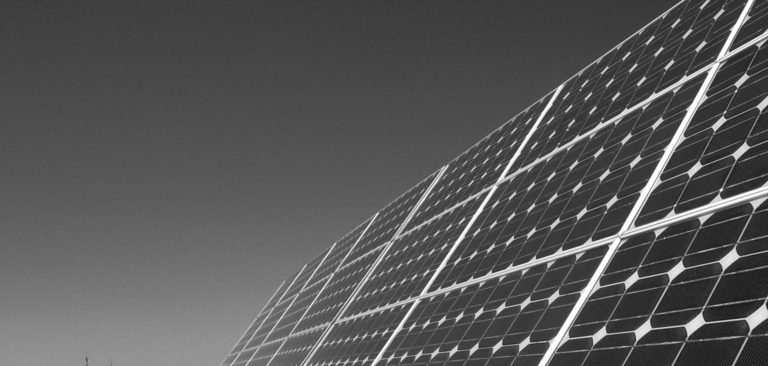
Solar panels are collections of photovoltaic cells that convert light into electricity. Each cell is made from semiconductor material, typically silicon, which has a unique property: when photons from sunlight hit the cell, they knock electrons loose from atoms, creating a flow of electrical current.
The process happens silently and invisibly. When sunlight strikes the panel, the photovoltaic effect generates direct current (DC) electricity. This DC electricity flows through an inverter, which converts it into alternating current (AC) electricity that your home can use. Any excess electricity not used by your home is exported to the grid, and under the Smart Export Guarantee, energy suppliers pay you for this surplus at rates between 10-15 pence per kilowatt-hour.
The beauty of solar panels is their simplicity. There are no moving parts, no fuel to buy, and no emissions. Once installed, they require minimal maintenance beyond the occasional clean to remove dust and bird droppings. Most systems are monitored via an app on your phone, so you can track how much electricity you’re generating in real time.
Types of Solar Panels
Not all solar panels are the same. The three main types differ in how they’re manufactured, their efficiency, and their cost.
Monocrystalline Solar Panels
Monocrystalline panels are made from a single crystal of silicon, which gives them a uniform, dark appearance and slightly rounded corners. They’re the most efficient type available today, converting 18-22% of sunlight into electricity. This higher efficiency means you need fewer panels to generate the same amount of power, which is valuable if you have limited roof space.
The trade-off is cost. Monocrystalline panels are more expensive to manufacture, so they come at a premium price. However, for most UK installations, the higher efficiency doesn’t justify the extra cost since space is rarely the limiting factor. Still, if your roof is small or heavily shaded in places, monocrystalline panels might be your best choice.
Polycrystalline Solar Panels
Polycrystalline panels are made from multiple silicon crystals melted together, giving them a distinctive blue colour with a speckled appearance. They’re less efficient than monocrystalline panels (15-17% conversion rate) but cost less to produce, which is reflected in their lower price tag.
For the vast majority of UK homeowners, polycrystalline panels offer the best value for money. You’ll get a reliable, durable panel that generates plenty of electricity at a price point that makes financial sense. Most installations in the UK now use polycrystalline or premium monocrystalline panels rather than budget options.
Thin-Film Solar Panels
Thin-film panels are made by depositing a thin layer of photovoltaic material onto a substrate. They’re the least efficient type (10-12% conversion) but are cheaper to produce and perform slightly better in low-light conditions, including cloudy UK weather. They’re also more flexible and lighter, making them suitable for certain applications.
However, thin-film panels are rarely chosen for residential installations in the UK because their lower efficiency means you need more panels to generate the same power, and they degrade faster over time. They’re more commonly found in specialist applications or large commercial installations.
Solar Panel System Components
A complete solar panel system is more than just the panels themselves. You’ll need several other components working together to turn sunlight into usable electricity in your home.
The Inverter
Your inverter is the brain of your solar system. It converts the DC electricity produced by the panels into AC electricity that your home can use. There are two main types: string inverters (one central inverter for the whole system) and microinverters (one per panel). String inverters are more affordable and common in residential installations, while microinverters offer slightly better performance if you have shading issues on different parts of your roof.
The Mounting System
Panels need to be securely mounted to your roof at the optimal angle. In the UK, south-facing roofs at a pitch of 30-40 degrees generate the most electricity. If your roof orientation is different, professional installers can still maximize output through careful positioning. Flat roofs may use angled tilt frames to achieve the optimal angle.
Wiring and Protection
Proper wiring ensures electricity flows safely from the panels to your home’s electrical system. Circuit breakers and isolation switches protect the system and allow for safe maintenance. All installations must comply with Part P Building Regulations, which is why it’s essential to use an MCS-certified installer.
Optional Battery Storage
Many homeowners now add a battery storage system to their solar installation. Batteries store excess electricity generated during the day so you can use it in the evening and night, maximizing your self-consumption and reducing reliance on grid electricity. A typical 10 kWh battery costs £4,500-7,000 and can provide substantial savings when combined with time-of-use electricity tariffs.
How Much Do Solar Panels Cost?
The cost of a solar panel installation depends on the size of the system and the quality of components you choose. A typical UK residential system sizes range from 3kW to 6kW.
A 4kW system, which is the most common size for a three-bedroom semi-detached house, costs between £6,500 and £8,500 installed. This includes the panels, inverter, mounting equipment, wiring, and installation labour. With 0% VAT on solar installations until March 2027, you’re getting good value currently.
The cost per watt has fallen dramatically over the past decade. In 2010, solar panels cost around £4 per watt. Today, you’re looking at £1-1.50 per watt for a complete installed system. This reduction in cost, combined with higher efficiency panels and generous government incentives like the Boiler Upgrade Scheme (which provides £7,500 towards heat pump installations when combined with solar), makes solar increasingly attractive financially.
Solar Panel Output in the UK Climate
You might worry that the UK’s often-cloudy weather means solar panels won’t work well. In reality, modern panels generate electricity even on overcast days, though output is reduced.
On a cloudy day, your system typically generates 10-25% of its rated capacity. On clear days, you’ll get much closer to maximum output. The UK’s average specific yield (the amount of electricity generated per kilowatt of installed capacity per year) is around 800-1,000 kWh/kW, depending on your location and roof orientation.
This means a 4kW system will generate approximately 3,200-4,000 kWh per year in the UK. For comparison, an average UK home uses around 2,700-3,000 kWh of electricity per year, so a 4kW system can meet most or all of a household’s electricity needs, especially if you’re mindful of usage during peak generation times.
The Smart Export Guarantee Explained
One of the best reasons to install solar panels in 2026 is the Smart Export Guarantee (SEG). Under this scheme, any electricity you generate but don’t use is exported back to the grid, and your energy supplier must pay you for it.
Current SEG rates vary by supplier but typically range from 10-15 pence per kilowatt-hour. If your 4kW system generates 4,000 kWh per year and you use half of that in your home, you export 2,000 kWh. At 12.5p/kWh, that’s £250 per year in additional income.
To qualify for the SEG, you need a smart meter (SMETS2) that can measure export in half-hourly intervals. Your MCS-certified installer will ensure your system is properly set up to work with smart meters and SEG requirements.
Solar Panel Lifespan and Degradation
A common concern is whether solar panels are a worthwhile investment given their upfront cost. The answer is yes, primarily because of their exceptional lifespan. Modern solar panels are designed to last 25-30 years, and many will still function effectively beyond that timeframe.
Over their lifespan, panels degrade gradually at a rate of less than 0.5% per year, meaning after 25 years, they’ll still operate at around 85-90% of their original capacity. Most manufacturers offer 25-year performance warranties guaranteeing minimum output levels, giving you peace of mind about your investment.
When you factor in the electricity savings over 25 years, the payback period for solar panels in the UK is typically 6-8 years. After that, you’re generating almost free electricity for the rest of the panel’s lifespan. For a household with electricity costs of £1,200 per year, this represents substantial long-term savings.
Case Study: Solar Installation for a South-Facing Semi-Detached Home
Background
A homeowner in the East Midlands owned a 1990s semi-detached property with a south-facing roof and annual electricity bills of £1,400. They’d been paying increasing rates year on year and were keen to reduce their energy costs whilst also lowering their carbon footprint. They’d been intrigued by solar panels after seeing neighbouring properties with installations.
Project Overview
The property had excellent roof orientation and no shading issues from trees or nearby buildings. An MCS-certified installer quoted for a 4.5kW system using monocrystalline panels and a modern string inverter, with the option to add a 10 kWh battery storage system later if desired.
Implementation
Installation took place over two days. The installer fixed the mounting rails to the roof, attached the 12 solar panels, and connected all wiring to the inverter which was mounted in the garage. A new consumer unit modification was made to comply with Part P Building Regulations. The smart meter was already in place from the energy supplier.
Results
In the first year, the system generated 3,850 kWh of electricity. The household used 2,100 kWh, exporting 1,750 kWh back to the grid. At their SEG rate of 13p/kWh, they earned £227.50 from exports. Combined with reduced grid electricity purchases, their annual energy costs fell from £1,400 to £560, a saving of £840 in year one. The system paid for itself in just 8 years, and they’ll continue saving for the remaining 17+ years of the panel warranty.
Expert Insights From Our Solar Panel Installers About Understanding Solar Panels
One of our senior solar panel installers with over 15 years of experience notes that the biggest misunderstanding homeowners have is thinking their roof isn’t suitable for solar panels. “We regularly install systems on east or west-facing roofs, flat roofs, and even on buildings where you’d think shading was a problem,” they explain. “Modern panel technology is sophisticated enough that many properties that would have been deemed unsuitable five years ago can now get excellent results.”
Another key insight from our installation team: don’t compare solar panel costs based on the price per panel alone. “A cheap panel that’s inefficient might cost less upfront but require more space, more mounting hardware, and more complex wiring. The total cost of installation and the long-term output is what matters. MCS certification ensures your installer is using quality components and following best practices.”
Frequently Asked Questions
Do solar panels work on cloudy days in the UK?
Yes, solar panels do work on cloudy days, though their output is reduced. Modern panels generate approximately 10-25% of their rated capacity on overcast days, so you’ll still generate useful electricity even in typical British weather. The diffuse light that penetrates clouds is sufficient to produce electricity, just not at peak levels.
How many solar panels do I need for my home?
Most UK homes need a 4-5kW system, which consists of 10-14 solar panels depending on their wattage. This typically means 12 panels of around 400W each. Your specific needs depend on your annual electricity usage, roof space, and orientation. An MCS-certified installer will calculate the right size for your home.
What’s the difference between monocrystalline and polycrystalline panels?
Monocrystalline panels are made from a single silicon crystal and are more efficient (18-22%) but more expensive. Polycrystalline panels are made from multiple silicon crystals, are slightly less efficient (15-17%), but offer better value for money. For most UK installations, polycrystalline panels provide the best balance of cost and performance.
How much money will I save with solar panels?
Savings depend on your electricity usage and location, but a typical 4kW system in the UK saves £800-1,200 per year in reduced grid electricity purchases and SEG export payments. Over 25 years, this can total £20,000-30,000 in savings. Your payback period is typically 6-8 years.
Do I need to replace solar panels regularly?
No. Modern solar panels last 25-30 years and degrade at less than 0.5% per year. After 25 years, they’ll still operate at 85-90% capacity. Most manufacturers offer 25-year performance warranties. Your inverter may need replacement after 10-15 years, but the panels themselves will outlast most other home improvements.
What is the Smart Export Guarantee?
The Smart Export Guarantee (SEG) is a UK scheme that requires energy suppliers to pay you for any excess electricity your solar panels generate and export back to the grid. Rates typically range from 10-15 pence per kilowatt-hour. To qualify, you need a smart meter and an MCS-certified installation.
Will solar panels affect my home’s value or insurance?
Solar panels typically add value to your property, as they reduce energy bills and appeal to eco-conscious buyers. You should inform your home insurance provider about the installation, though premiums rarely increase significantly. Some insurers even offer discounts for properties with solar panels.
Is MCS certification important?
Yes, MCS certification is essential. It ensures your installer meets quality standards, that your system complies with Building Regulations Part P, and that you receive warranty protection and any applicable government incentives. Always choose an MCS-certified installer rather than uncertified alternatives.
Summing Up
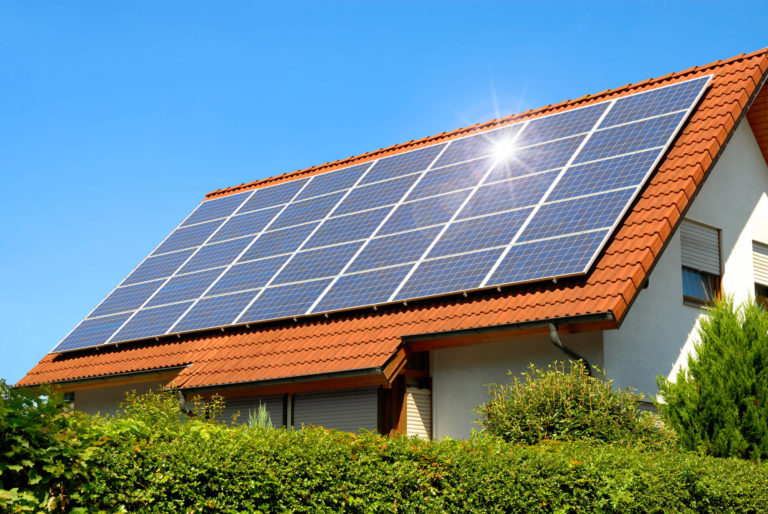
Solar panels are a proven, reliable technology that converts sunlight into electricity through photovoltaic cells. Whether you choose monocrystalline, polycrystalline, or thin-film panels, you’re investing in a system that will generate clean electricity and reduce your bills for 25-30 years.
With typical UK system costs of £6,500-8,500 for a 4kW installation, the payback period of 6-8 years, and the significant long-term savings, solar panels make financial sense for most UK homeowners. Add the environmental benefits of reducing your carbon footprint and the income from the Smart Export Guarantee, and the case for solar becomes even stronger.
If you’re ready to explore solar panels for your home, an MCS-certified installer can assess your property, calculate your potential savings, and guide you through the process of joining the hundreds of thousands of UK households now generating their own clean electricity. Contact us today for a free, no-obligation quote tailored to your home’s specific needs.
Updated