Home Solar Quotes
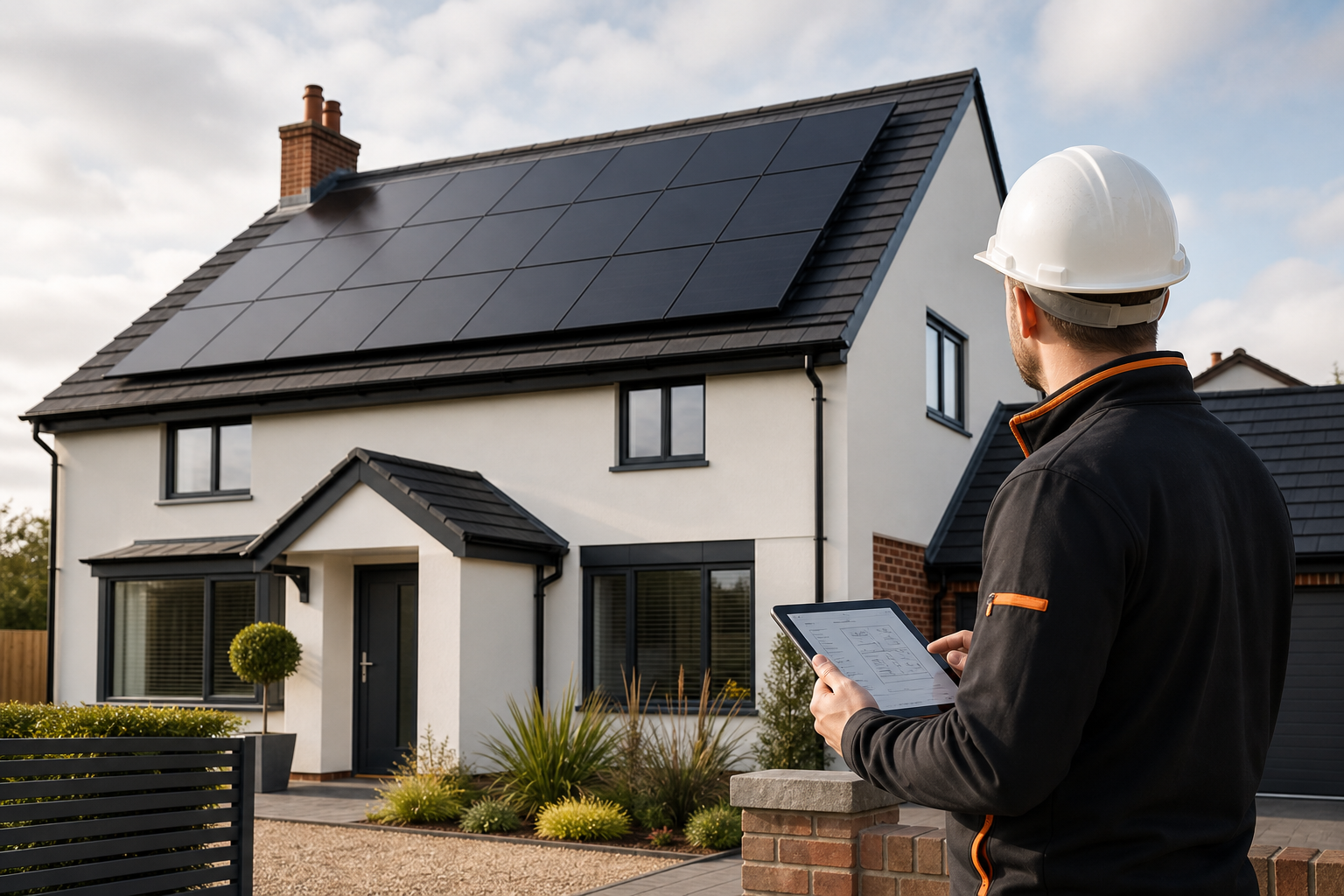
Domestic enquiries should be shaped around roof suitability, usage, tariff, battery plans and the paperwork expected at handover.


Lower electricity bills with a properly sized solar PV system.
Compare installation, battery storage, repairs and maintenance.
Check export payments, tariffs, grants or incentives where relevant.
Get quote guidance around roof condition, access and usage.
Request clear scope, warranty and handover paperwork before work starts.
Solar Panels Network helps owners, landlords, facilities teams and property managers assess solar PV, battery storage, repairs and maintenance for temple properties. Recommendations should be based on roof condition, access, usage, responsibility and long-term records.
Use this quick estimate to prepare a better solar quote request. Figures are indicative only and should be checked against roof suitability, tariffs, usage and survey findings.
Use the enquiry route that fits the property, existing system and decision-maker, then request a clear quote scope.
Domestic enquiries should be shaped around roof suitability, usage, tariff, battery plans and the paperwork expected at handover.
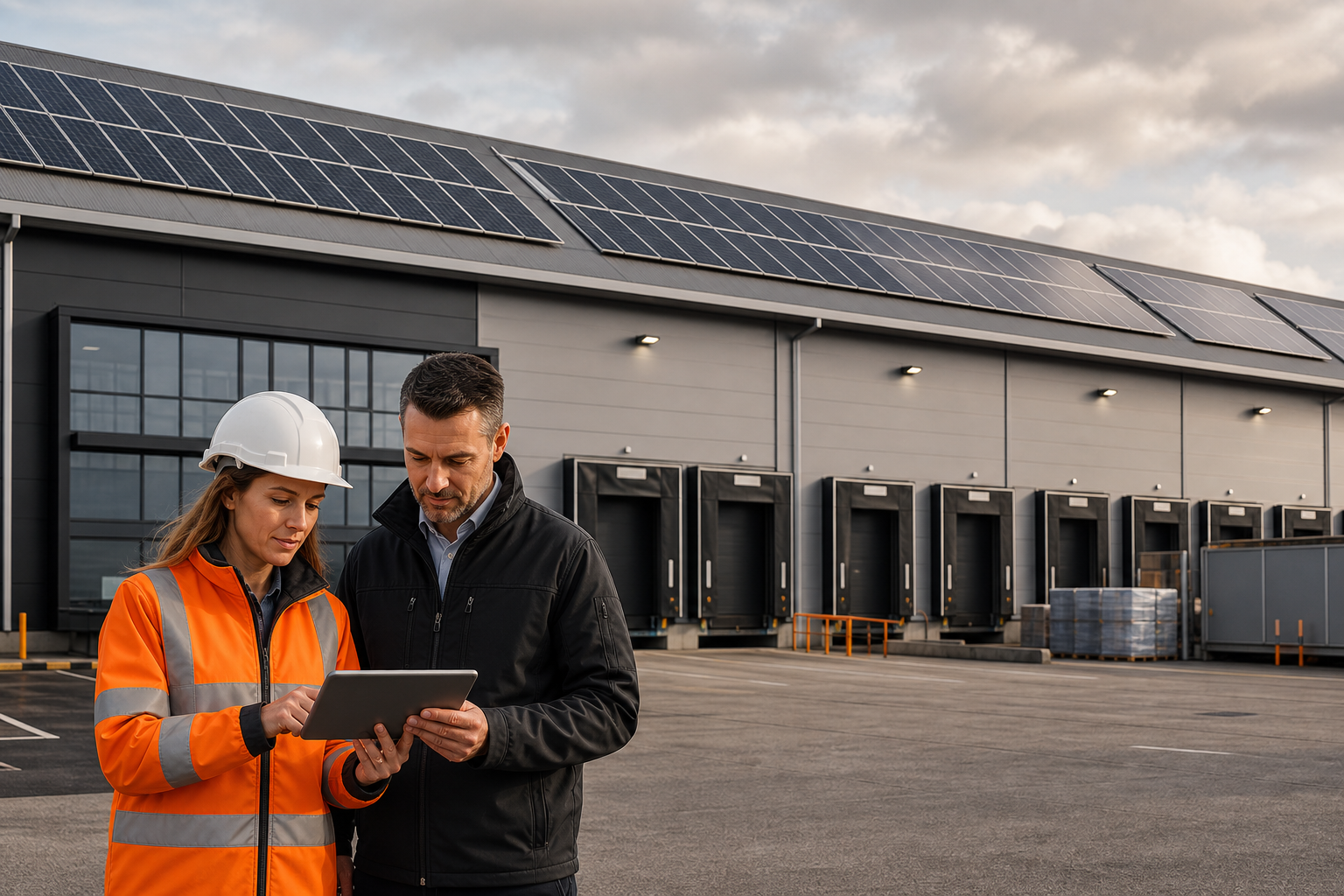
Business projects should consider daytime demand, roof access, DNO requirements, landlord consent, RAMS and continuity planning.
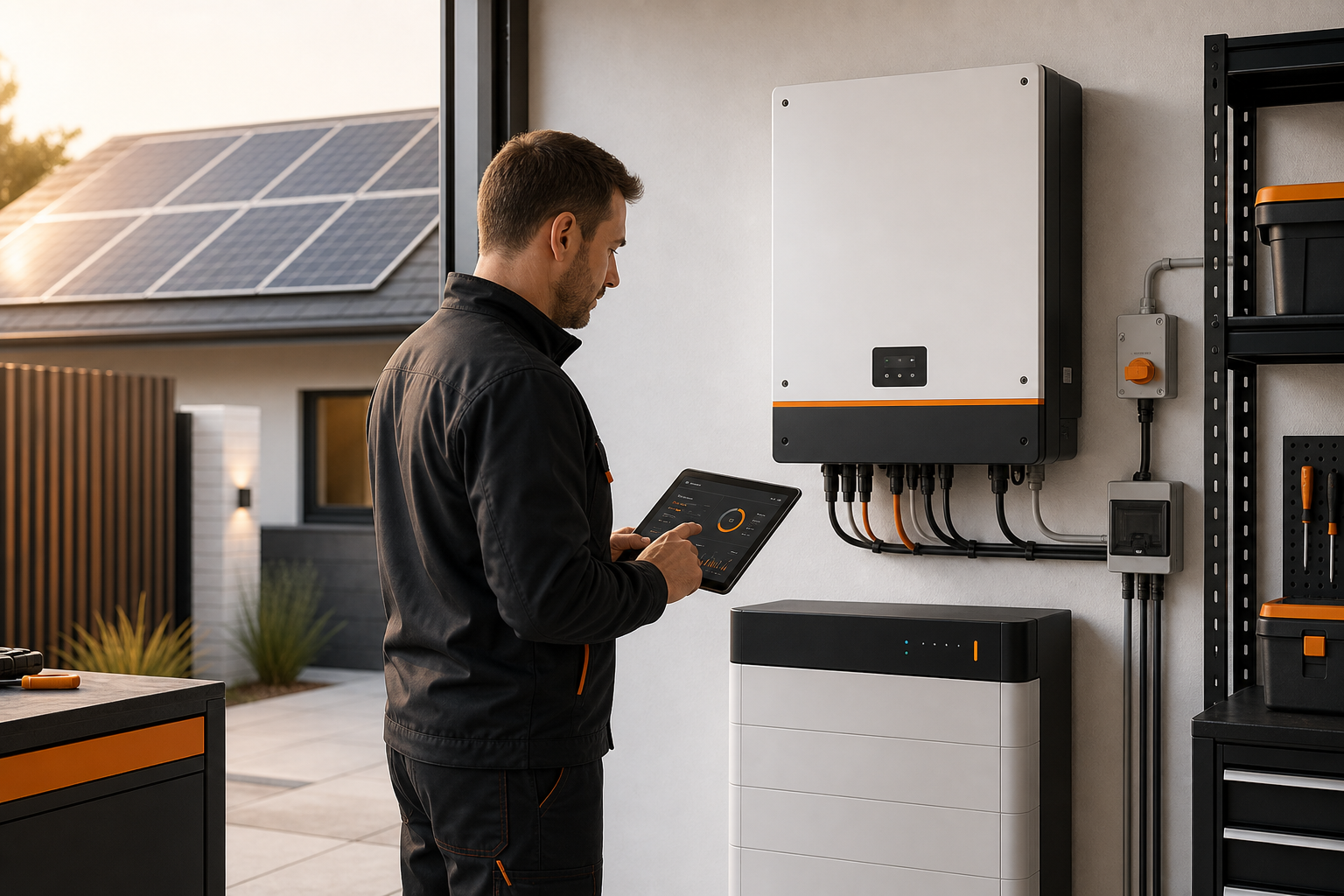
Battery, inverter and remedial work should be matched to the existing system, monitoring, warranties and clear service scope.
These ranges are for early quote planning only. Final figures should be checked against roof suitability, electricity use, access, DNO requirements, equipment choice and survey findings.
| System Size | Rough Roof Area | Indicative Spend | Likely Use Case |
|---|---|---|---|
| 50 kW Use for early quote planning only; final pricing depends on equipment, access, roof condition, DNO route and survey findings. |
Approx. 250-350 sqm usable roof area | Approx. GBP 40k-70k+ before site-specific adjustments | Small warehouse, office, school, farm building or hospitality site |
| 100 kW Usually needs usage data, roof drawings/photos, metering details and access planning before pricing is firmed up. |
Approx. 500-700 sqm usable roof area | Approx. GBP 75k-120k+ before site-specific adjustments | Larger operational site with steady daytime demand |
| 250 kW+ Usually assessed with half-hourly data, landlord/insurer checks, structural review, RAMS and DNO/G99 considerations. |
Approx. 1,200 sqm+ usable roof area | Feasibility-led pricing, often GBP 180k+ depending on scope | Warehouse, distribution, manufacturing or multi-building estate |
Practical installation, battery, repair and maintenance support for this property type.
Survey-led installation advice for solar PV systems suited to temple.
Installation supportCommercial feasibility and quote support where roof area, usage and ownership make solar worth assessing.
Commercial supportBattery options considered around usage patterns, tariff strategy, export limits and resilience requirements.
Battery supportSupport for inverter warnings, low output, damaged cabling, isolators, connectors and monitoring faults.
Repair supportPlanned inspections, safe cleaning, reporting and maintenance records for existing solar arrays.
Maintenance supportLike-for-like replacement or upgrade routes for ageing, faulty or battery-ready systems.
Inverter supportSolar PV can be suitable for temple where roof area, structure, orientation, shading, electrical capacity, access and ownership responsibilities support the project. The right route depends on occupancy, daytime demand, disruption limits and whether the work is installation, repair or maintenance.
Suitability depends on roof area, structure, orientation, shading, electrical capacity, access and how the temple uses electricity.
Depending on the site, responsibility may sit with the owner, landlord, freeholder, managing agent, facilities manager, operations manager or estates team.
Solar work should consider manufacturer requirements, electrical competence, DNO notification or application, planning constraints and handover records where relevant.
Answers for solar installation, battery storage, repairs and maintenance for temple.
Limited roof space or shading; Landlord, freeholder or insurer approvals; Need to minimise downtime or disruption.
Roof condition and loading; Electrical capacity and metering; Access, fire routes and future maintenance.
Installation quote; Battery option review; Repairs, cleaning or planned maintenance.
Maintenance supportAsk for a clear schedule covering survey evidence, DNO handling, RAMS where relevant, commissioning records and post-installation support.
The proposal should explain likely disruption, access windows, isolations, tenant coordination and ongoing monitoring.
High daytime electricity use, large roofs and multi-site portfolios often create stronger cases for solar PV and planned maintenance.
Solar PV, battery and repair work should be handled by competent providers using manufacturer requirements, Building Regulations, relevant electrical standards and recognised low-carbon technology guidance.
Grant-funded or export-related solar PV installations may need a MCS-certified installer. MCS indicates technical competence and recognised product standards, but scheme status should be evidenced rather than assumed.
MCS-certified installers are expected to be registered with an approved consumer protection scheme such as RECC or HIES where relevant.
Solar PV work may require suitable electrical competence, safe isolation, commissioning records and the correct DNO notification or application route.
Providers should consider roof condition, loading, weatherproofing, fire safety, access and any planning or Building Regulations requirements before work proceeds.
Commercial visits may need RAMS, induction, insurance checks, access planning, tenant coordination and handover notes for the responsible person.
Solar modules from established manufacturers where compatible with the design and warranty requirements.
String, hybrid and microinverter options where suitable for roof layout and battery plans.
Battery and monitoring platforms selected for usage profile, tariff strategy and support availability.
They can be, but suitability depends on roof area, structure, orientation, shading, electrical capacity, ownership, access and how electricity is used during the day.
Approval may be needed from owners, landlords, freeholders, managing agents, insurers, facilities teams or planning authorities depending on the property and project scope.
A useful assessment should check roof condition, loading, access, metering, electrical capacity, usage data, fire routes, warranties and future battery or EV requirements.
Battery storage may help where there is evening demand, time-of-use tariffs, resilience requirements or export constraints, but it should be sized from real usage.
Smaller installs may take one or two days on site, while larger commercial or complex roof projects require a planned programme, access controls and coordination.
Useful details include building type, postcode, roof information, electricity usage, current solar equipment if any, access limitations and preferred timescales.
Send the property details, service need and postcode, and Solar Panels Network can route the enquiry toward the right quote, survey or diagnostic path.